
«Build back better». What does the principle of «to rebuild better than it was» actually mean for Mykolaiv?
-

- Yuliia BoichenkoReporter
-
 10000 +
Right on target! Over 10,000 visitors are interested in this content!
10000 +
Right on target! Over 10,000 visitors are interested in this content!
-
 Prefer on Google
-
10K
Right on target! Over 10,000 visitors are interested in this content!
-
Prefer on Google
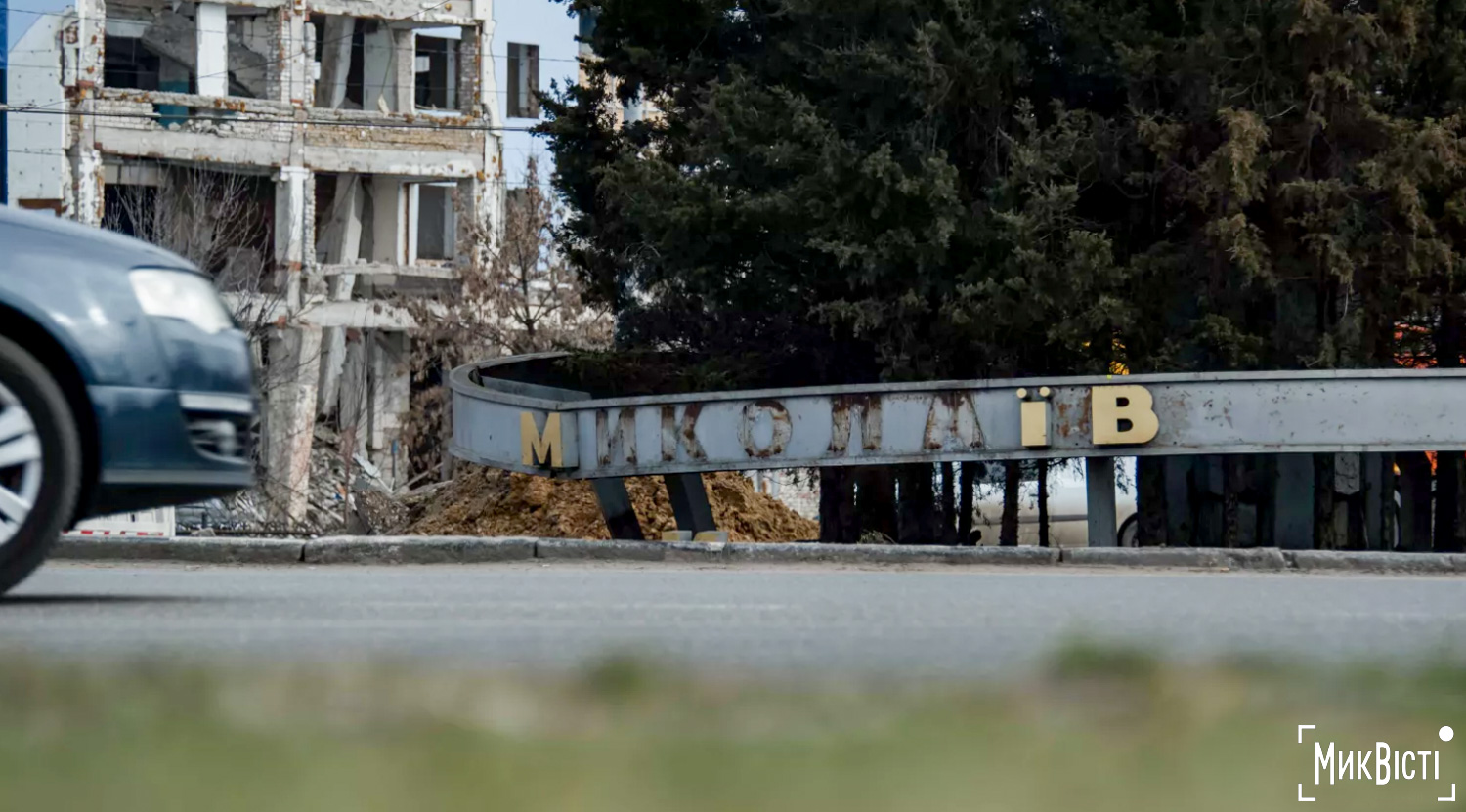 Inscription «Mykolaiv» against the background of a destroyed building, photo NikVesti
The Prime Minister said «Build back better».
The head of Mykolaiv Regional Military Administration says «Build back better».
Mykolaiv mayor says «Build back better».
Donors say «Build back better».
This is the principle they promise to use to rebuild the whole of Ukraine. If translated literally, this concept means «to rebuild better than it was». It appeared in the information field of Mykolaiv and the region during the war. Officials often use it, inserting it into presentations and public statements.
This makes «Build back better» (hereinafter — «BBB») sound like something ambitious and inspiring in the public consciousness: to make things better than they were. But in reality, this concept imposes certain limitations.
So where did «Build back better» come from and what does it mean? NikVesti figured it out.
How does «Build back better» sound in Mykolaiv?
After the start of international assistance, a new phrase appeared in Mykolaiv — «Build back better». Officials, international donors, and project offices are talking about it.
The city council «BBB» describes it as a principle that should help restore not just what was, but make it more modern, safer, and more thoughtful.
«If we are talking about reconstruction and how certain objects will be restored according to the principle of «Build Back Better». Using the consequences of this war, we have to draw some conclusions and build not just the same thing in the same places, but do it better. If two schools are destroyed and they are next to each other, but small and old, we need to build them into one big one and connect them with a transport interchange so that children can walk from there and get knowledge in a modern learning space and according to new programmes», said Mykolaiv Mayor Oleksandr Sienkevych.
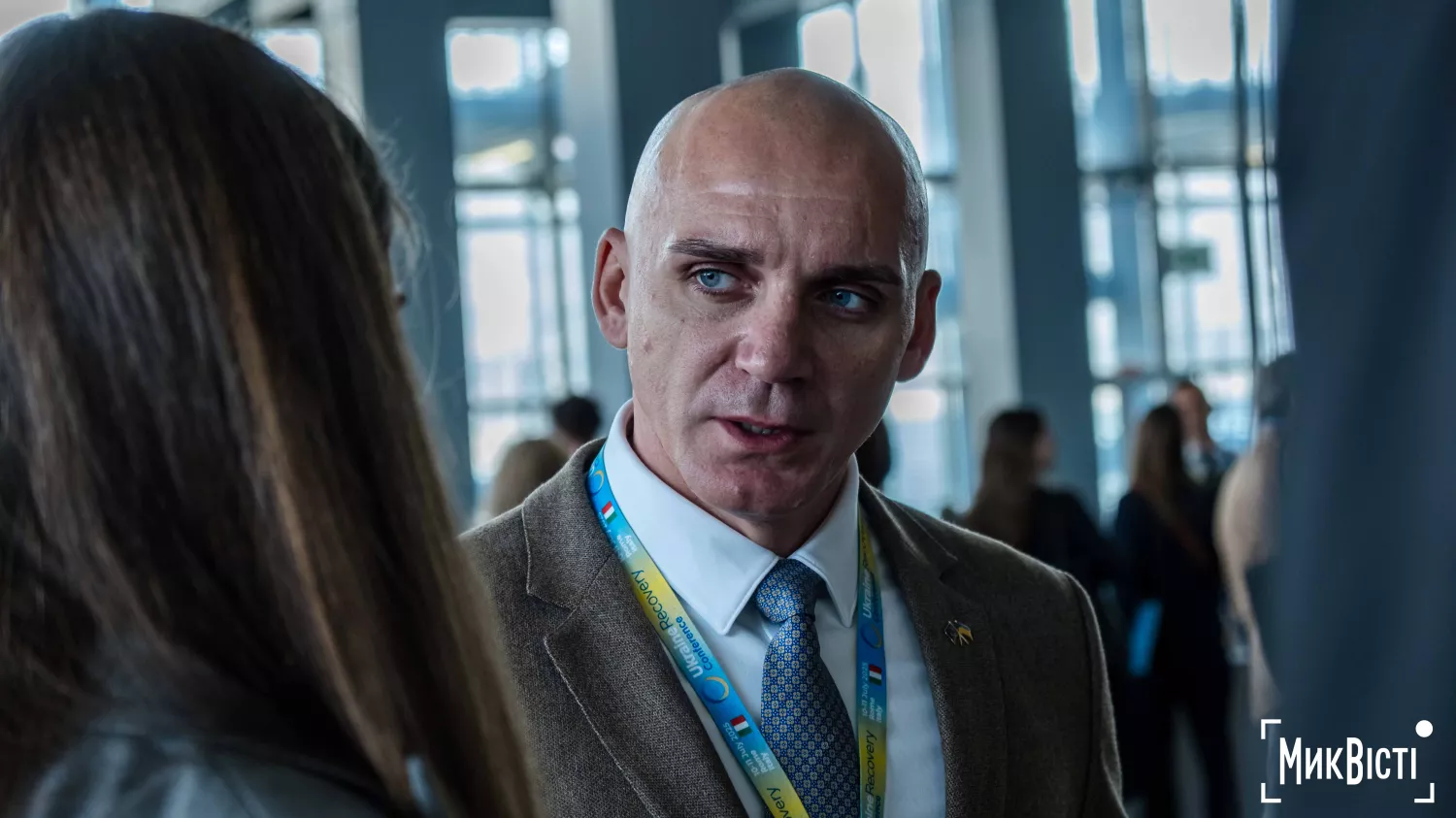 Mayor of Mykolaiv Oleksandr Sienkevych at the Ukraine Recovery Conference in Rome, photo by NikVesti
But in the story of the rebuilding of Lyceum №51, «Build back better» has taken on a new meaning — new construction. It was planned to demolish the destroyed school and build a new one in its place. Then the head of the Capital Construction Department of the City Council, Oleksii Savchuk, said that the new school would be built «from scratch».
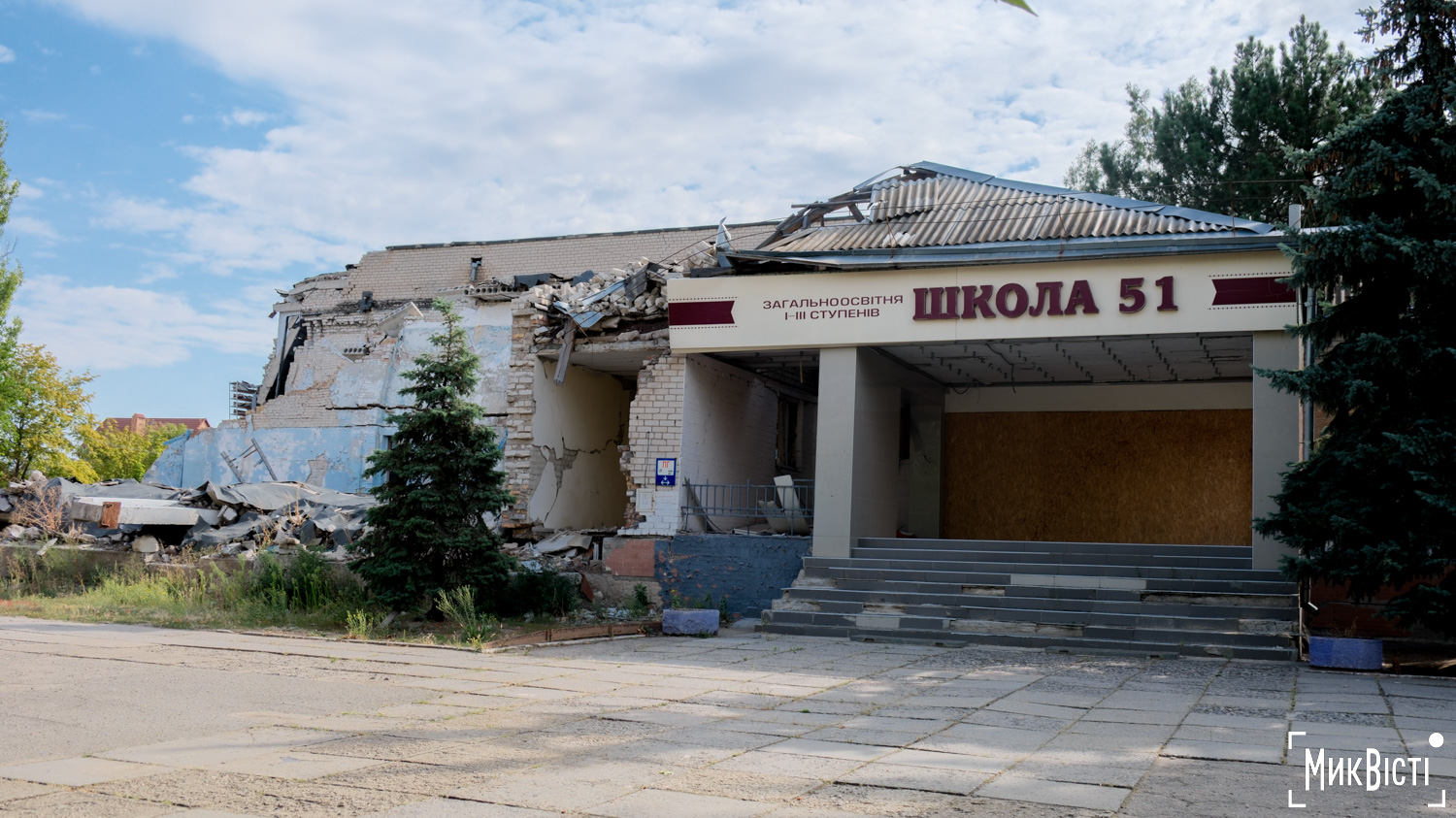 The destroyed building of Mykolaiv Lyceum No. 51, August 2025, photo: NikVesti
«Our task is not just to rebuild it as it was. This is an easy way, but it is not modern. We will follow the path of «Build back better». That is, to rebuild better than it was. It will be a very modern project that involves the construction of a complex of buildings», he said.
In this example, the principle is interpreted as «to demolish the old and build something better».
But a completely different situation arose with the destroyed apartment building at 32 Admiralska Street. A rocket destroyed one of the building's entrances to the foundation. A reconstruction project had already been prepared, and the building itself was included in the HOPE project funded by the World Bank.
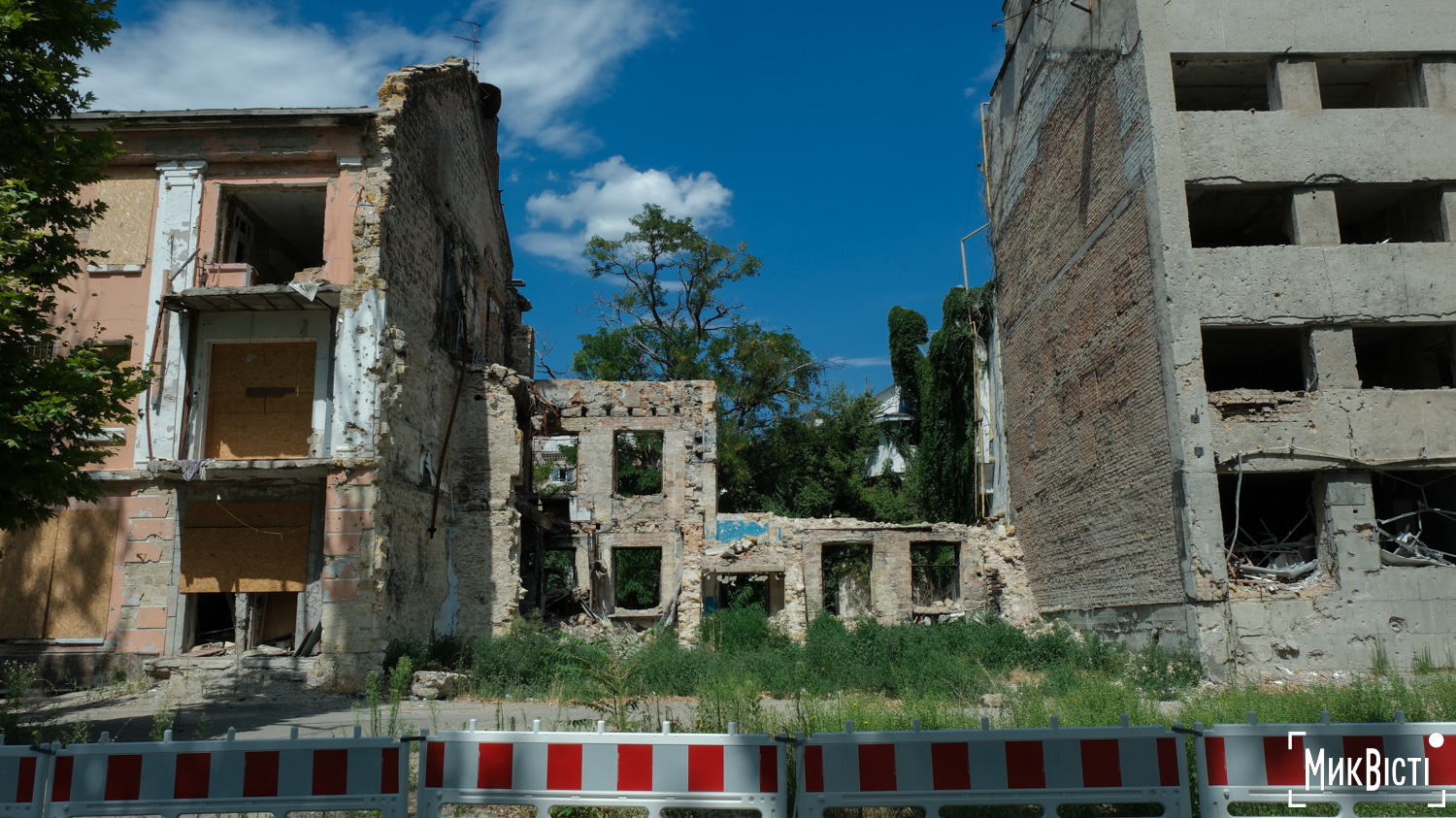 A destroyed house on Admiralska Street in the centre of Mykolaiv, September 2025, photo by NikVesti
However, doubts have arisen at the level of the Ministry of Community Development and the World Bank as to whether it is possible to build a new entrance «from scratch», as this contradicts the concept of «Build back better». Ihor Nabatov, Deputy Director of the Department of Housing and Communal Services, said this during a briefing in November.
«According to the passport, there are 4 entrances, now there are 3. That is, we have to restore the 4th entrance. Unfortunately, there are real contradictions. And they are so significant that we have skipped this procurement for now, we decided to leave it for the last time so that they can make up their minds. Even the question is not with the Ministry, but with the World Bank, because the normative definitions of reconstruction in Ukrainian legislation and at the World Bank level can be interpreted differently,» said Ihor Nabatov.
In fact, in this context, we are now talking about the risk that this house may be excluded from the HOPE project altogether.
«Unfortunately, there may even be a situation where this house will be dropped altogether. All documents, technical reports, commission inspection reports were previously sent to the ministry, and they saw them, and there were no questions at that time. Now, for some reason, they have begun to arise», said Ihor Nabatov.
That is, in this case, «Build back better» is interpreted as «to improve the existing», but not «to build a new».
And here a paradox arises:
- For Lyceum №51, new construction = Build Back Better,
- and for the house on Admiralska Street, new construction ≠ Build Back Better.
Hello! I am Yuliia Boichenko, the author of this article.
Thank you for your attention to our texts — it means a lot to the NikVesti team.
We regularly publish in-depth materials for those who want to understand the topic and get to the heart of the matter.
We have dozens of examples when our journalism, together with our readers, has influenced situations and changed them.
Join the NikVesti Readers’ Club — support independent journalism that matters.
Support us by joining the NikVesti Club
How did «BBB» come about? A little history
The concept of «Build back better» appeared long before it was used in Mykolaiv. It was first used after the 2004 tsunami, which destroyed the coastline in Indonesia, a global catastrophe. At that time, international organisations, including the World Bank and UN agencies, faced the question of how to rebuild it.
In official documents, «Build back better» was first seen in a 2005 World Bank report on tsunami recovery. In fact, the 101-page document «BBB» was mentioned only twice.
The first time was when the report explained the distribution of donor projects into three categories:
- «temporary needs» — temporary assistance;
- «minimum needs to replace damage» — minimum work to restore damage («build back»);
- «programmes that go beyond this core programme or cover parts of Aceh not directly affected by the tsunami («build back better»)» — programmes for areas not directly affected by the tsunami.
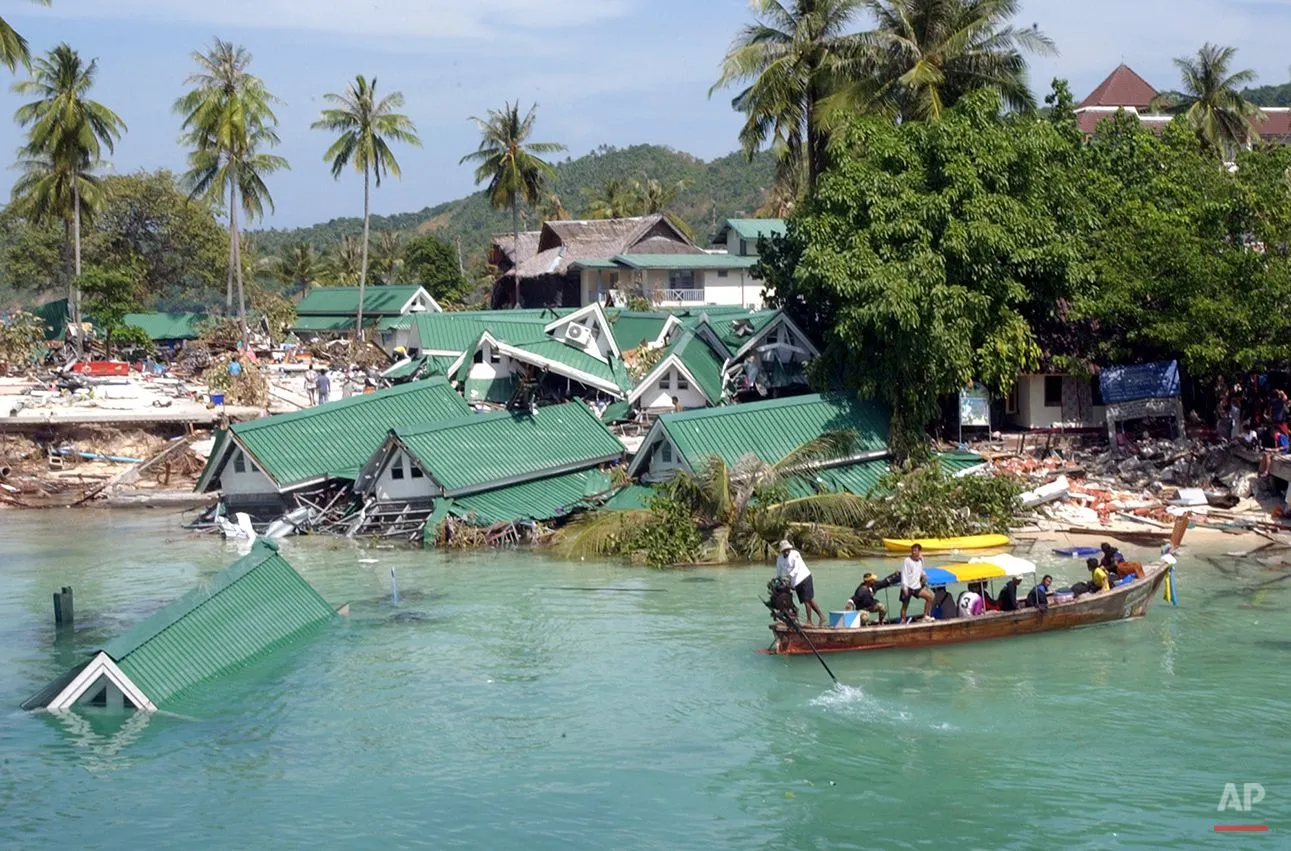 The tsunami demolished tourist lodges and hotels, photo: AP
For the second time, «BBB» was mentioned in the context of the master plan development as follows: «Build back better in certain sectors (particularly social sectors and infrastructure)».
This means that «BBB» is not about every object, but about certain sectors (schools, hospitals, roads).
In other words, the original definition of «Build back better» does not mean rebuilding the destroyed «from scratch», but modernising where there is no critical damage: taking into account new standards, risks, and making the facility more modern.
But over time, the definition has changed.
So how is «Build back better» defined in the world?
In 2015, «Build back better» was enshrined as a global principle in the Sendai Framework for Disaster Risk Reduction, a key UN document on disaster risk reduction. This document is now an international standard and is most often used by governments, donors, development banks, the EU, the World Bank, UNDP, etc.
There, the term «Build back better» is contained in Section 4 «recovery, rehabilitation and reconstruction»:
Recovery — the restoration of life. It is about making the community function again after a disaster: transport, water, school, hospital.
Rehabilitation — «revitalisation» or restoration of the functionality of damaged objects: repair, replacement, reinforcement of structures, adaptation.
Reconstruction — the rebuilding of damaged or destroyed infrastructure. In international documents, the word does not necessarily mean «from scratch». It can be an overhaul, rebuilding or a new construction if the old one is lost.
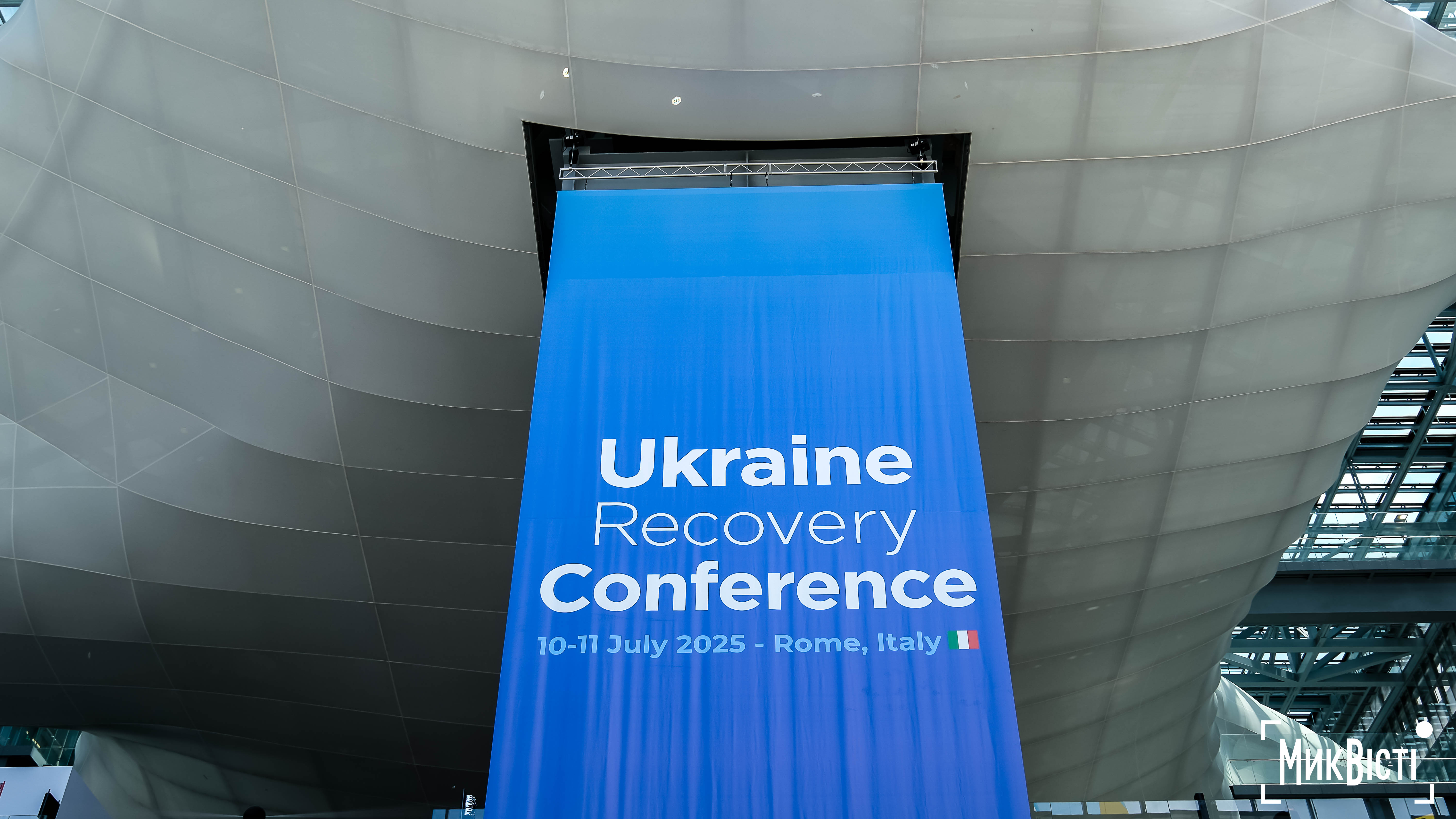 Ukraine Recovery Conference 2025 in Rome. Photo: NikVesti
The document sets out the wording that later «was published» and became a global principle for rebuilding cities, infrastructure and housing after disasters. In short, the Sendai Framework says that «Build back better» means:
- rebuild in a way that reduces future risks,
- build resilience,
- use modern standards and planning,
- not just rebuild the old, but improve it.
In fact, the document says that countries should not rebuild the ruins, but review their approaches to planning, infrastructure, building codes, and even social support.
The Sendai Framework does not explicitly recommend building «from scratch». But there are several key messages in the document that hint at it: «BBB» is not limited to modernisation.
For example, it says that rebuilding can include relocation — moving facilities to safer locations. Obviously, in the case of destroyed housing, relocation is not possible without the construction of a new building.
Another key element is new building codes, zoning and redistribution of space, which the Sendai Framework requires to be integrated into the reconstruction. And often it is not about restoring ruins, but about rethinking where and what should be built.
 A construction crane on the territory of Lyceum №60 in Varvarivka, September 2025, photo by NikVesti
In Ukraine, the concept of «Build back better» first appeared officially in 2022 — in the National Recovery Plan, which was presented after a conference on rebuilding Ukraine in Switzerland. The document stated that «BBB» should become one of the guiding principles of the country's recovery.
«Rebuilding with better quality and using more advanced technologies compared to the lost assets. Alignment of Ukraine's reconstruction with EU principles: green transition and digital transformation», the project authors explained the meaning of the term.
Now there is even a separate project with the same name in Mykolaiv region — «EU4UASchools: Build Back Better». It involves the repair, modernisation and re-equipment of schools. It was launched in November 2022 with the financial support of the European Union. Since then, at least two schools damaged by shelling and a sports college in Mykolaiv have been restored in the region.
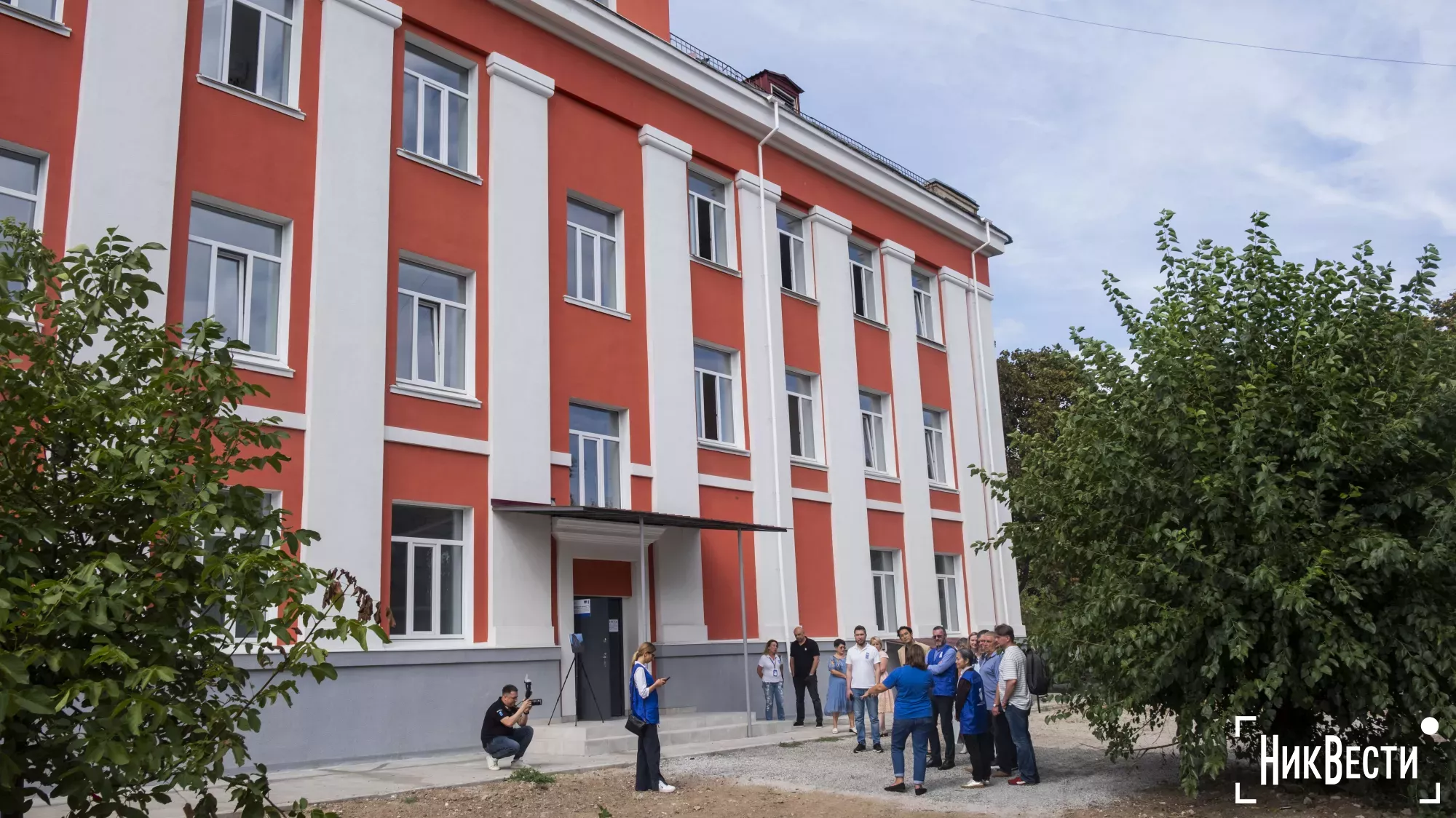 Mykolaiv College restored as part of the project «EU4UASchools: Build Back Better». Photo: «MikVist»
What do donors mean by this concept?
In most humanitarian and recovery programmes, donor organisations emphasise
- priority is given to repair and modernisation,
- improving energy efficiency and security,
- inclusiveness, accessibility, and sustainability,
- transparency of processes.
New facilities can be built only in two cases: when the old ones are completely destroyed or when the restoration is more expensive than building a new one.
And even in these cases, donors usually ask that the scope, purpose and function be maintained, rather than rebuilding the facility into something completely different.
For Denmark, rebuilding the Mykolaiv region on the principle of «Build back better» is about energy efficiency and inclusiveness, Jakob Torrild Hansen, head of the Danish Embassy's office in Mykolaiv, explained to NikVesti.
«The most striking manifestation of «Build back better» for us is energy efficiency and inclusiveness. These are two things that were sorely lacking in the Soviet Union. This means that if we renovate buildings, if we install new energy equipment, we take into account energy efficiency and the costs of operations afterwards. Inclusiveness means that there should be ramps, for example, or lifts for people with limited mobility. This is a prerequisite for all our projects,» he explained.
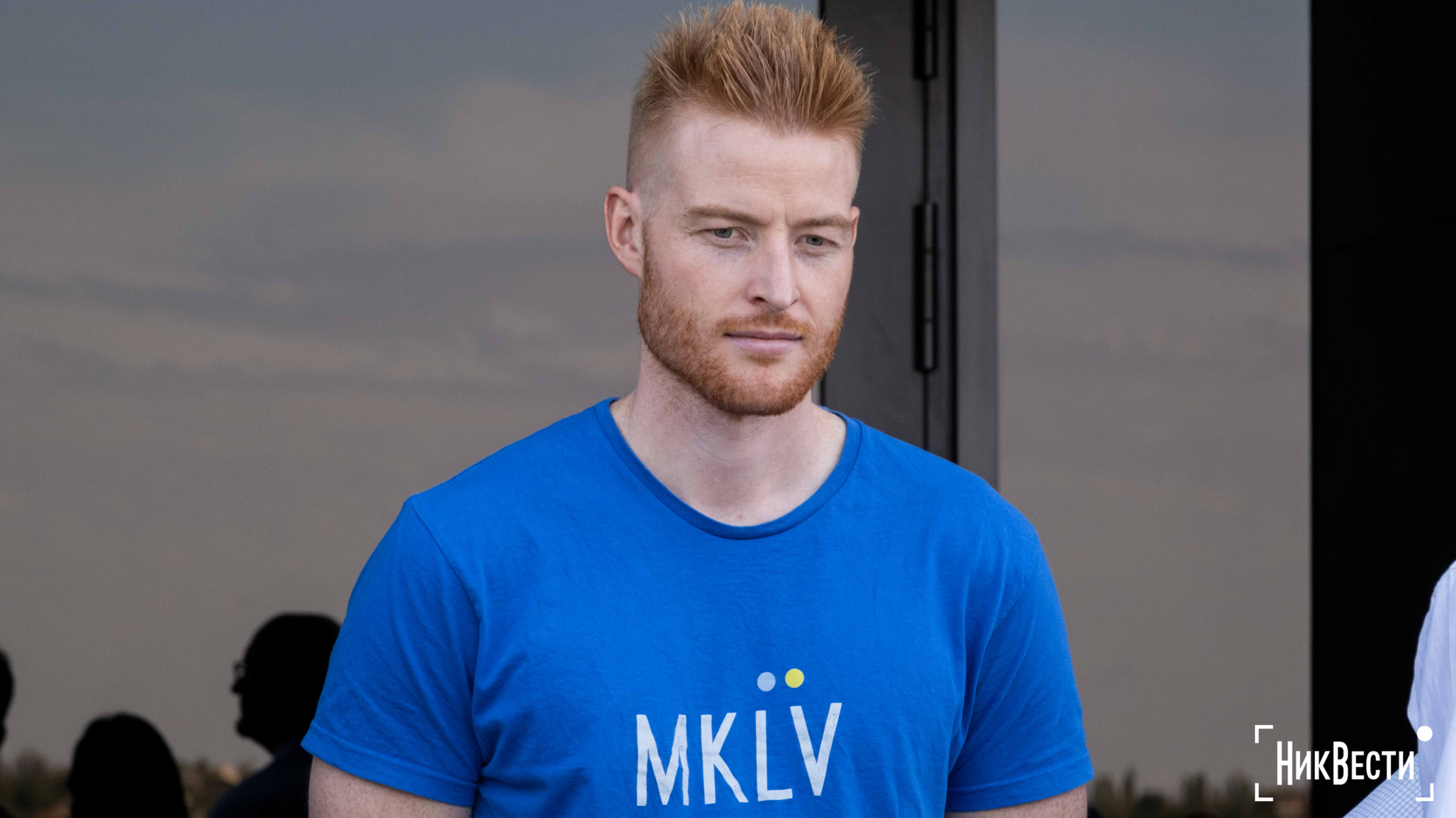 Head of the Office of the Royal Danish Embassy in Mykolaiv. Photo by NikVesti
However, Jakob Hansen says, there are other projects, for example, to reduce water losses from the networks in the Korabelnyi district. This project involves replacing and rehabilitating pipes, installing meters and modern equipment that will allow the water utility to respond quickly in case of leaks. The work is funded by the Danish government through the Nordic Environment Finance Corporation (NEFCO).
«There, water losses in the networks are more than 50%. Either this water just leaks out, or it is what is called commercial losses — something that is not accounted for. But all this can be reduced. So these measures will help the water utility to immediately see that there are leaks from pipes, that there is damage to pipes, and where exactly, and reduce the loss of this water,» he explained.
The project is scheduled to start in 2026. The tender process, signing of the contract, and selection of the contractor are currently being completed.
So, even using the example of Denmark's assistance with the restoration of Mykolaiv, we can conclude that «Build back better» for international donors is about modernisation, about moving from old Soviet standards to modern solutions that save resources, make infrastructure more convenient for people and more resilient to future crises. Not necessarily about the construction of brand new buildings, but definitely about a new approach that focuses not just on «fixing», but on changing the logic of the city's life.
 Flags of Ukraine and Denmark at Pier 8 in Mykolaiv, photo by NikVesti
In the public imagination, «Build back better» sounds like the start of a great rebuilding: new schools, modern neighbourhoods, a different level of the city after the destruction. But international programmes put a different meaning into this term — not new construction, but the modernisation of what can be saved. «For donors, better than it was» does not mean «from scratch», but «safer, more energy-efficient, more inclusive».
Because of this, Mykolaiv is caught between two expectations. The city, where dozens of buildings have been virtually destroyed, needs new housing and new infrastructure, while international rules only allow renovation within the existing boundaries. Hence, there are disputes with facilities that require a full-fledged new building, while the terms of the programmes only allow for repairs.
In fact, «BBB» is about standards, not scale. It's about warm walls, not new buildings. And this raises the main question for Mykolaiv: is the approach developed for countries with partial destruction suitable for a city that needs to be rethought from the ground up?
Yuliia Boichenko, NikVesti


This material was produced as part of the "Improving Ukrainian Media Resilience" project, implemented by the Fondation Hirondelle (Switzerland) and IRMI, the Institute for Regional Media and Information (Ukraine). The project is funded by Swiss Solidarity.