
Odesa is among the most vulnerable cities due to the risk of winter attacks by the Russian Federation, — The Economist
-

- Yuliia BoichenkoReporter

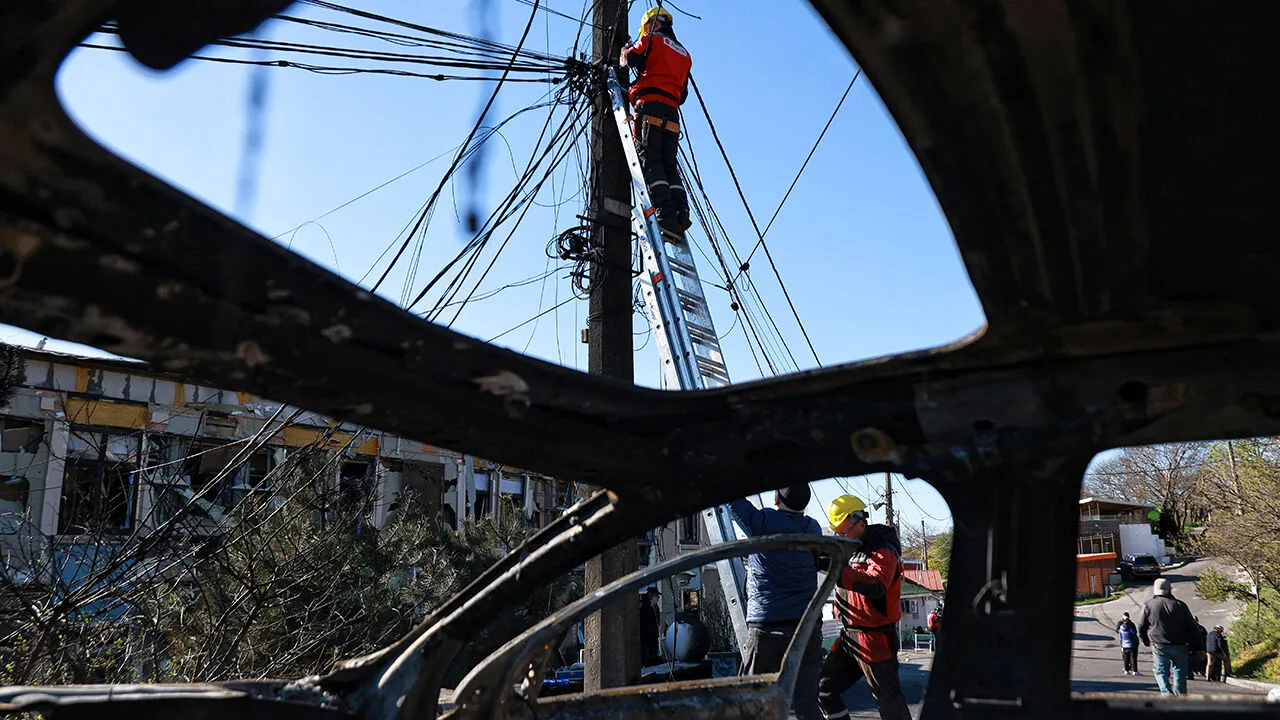 Specialists are repairing the power grid, photo: IMAGO/Ukrinform
Odessa is among the Ukrainian cities likely to be hardest hit by fresh Russian attacks on the energy sector this winter.
This is according to The Economist.
Alongside Odesa, the publication lists Kyiv and Kryvyi Rih among the most vulnerable cities. Russia may once again focus its attacks on the energy sector. As a result, these cities risk being left not only without electricity, but also without water and heating.
According to The Economist, Russia is currently producing around 100 ballistic missiles a month. At the same time, Ukraine is receiving fewer interceptor missiles for its air defence systems.
Russia has also begun using new jet-powered drones for its attacks. One such drone costs around 50,000–70,000 dollars, the publication notes.
According to figures cited by the publication, Ukrainian air defence intercepts around 30 per cent of such drones. Russia has already used them to attack protected facilities.
At the same time, Ukraine has been better prepared this year for potential attacks on its energy sector, writes The Economist.
In particular, the country is stepping up the protection of energy infrastructure. Around half of the planned work has already been completed. Private air defence companies are also being enlisted to help defend against Russian drones.
Ukraine plans to have stockpiled around 14 billion cubic metres of gas by the start of the heating season.
However, the risk of power, water and heating cuts this winter remains. How severe these will be will depend on the scale of Russian attacks and how many missiles and drones Ukraine’s air defence forces are able to shoot down.
As a reminder, on the evening of 31 August, Russian forces launched a missile and drone strike on the Odesa Central Heating and Power Plant. The attack caused damage to the facility.
Meanwhile, the head of the Kherson Regional Military Administration, Oleksandr Prokudin, has urged residents of Kherson to leave the city if possible. According to him, following yet another strike by Russian forces on the Kherson CHPP, it is no longer possible to expect it to operate as normal this winter.
