In Voznesensk, lessons have resumed for Year 10 pupils at a school for children with learning difficulties
- Darina Melnychuk
-
•
-
15:05, 28 August, 2026
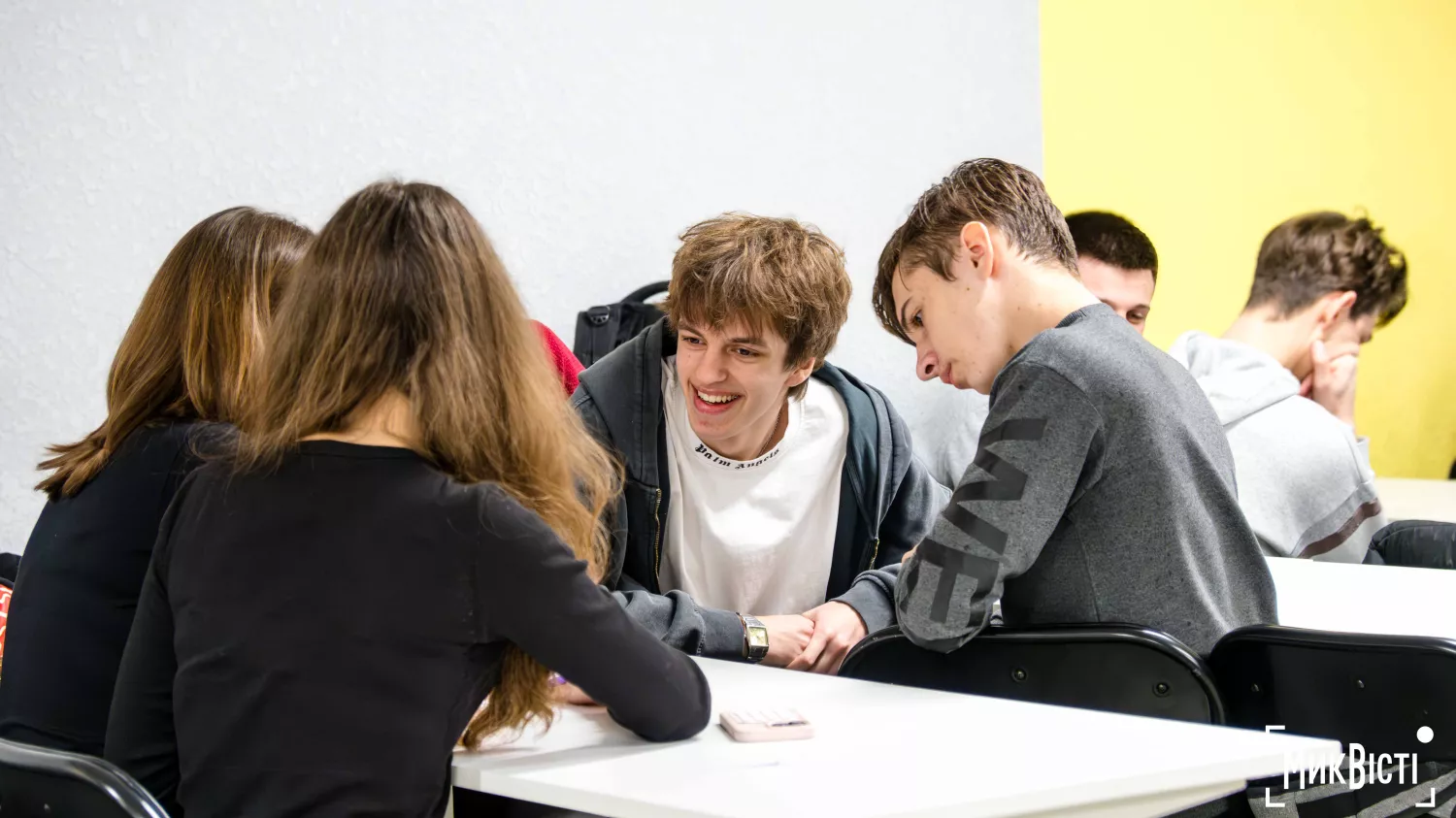 Pupils at Mykolaiv Lyceum No. 55 during face-to-face lessons. Photo: Anna Gakman / NikVesti
Following appeals from parents, Voznesensk Special School has resumed lessons for Year 10 pupils with intellectual disabilities and autism spectrum disorders.
This was reported by Marina Kovaliova, the mother of a pupil at the Voznesensk Special School, in a comment to NikVesti.
It should be noted that in July, NikVesti investigated why, in Voznesensk, children with autism spectrum disorders were unable to continue their education at the special school beyond Year 9, even though Ukrainian legislation guarantees every child the right to a full general secondary education.
At that time, Kateryna Kovaliova, a pupil at the Voznesensk Special School who has an intellectual disability, was unable to continue her education at the school after finishing Year 9. The school explained that it was unable to open Years 10 and 11 due to a shortage of teaching staff and teaching facilities.
Following this, her mother, Marina Kovaliova, approached various educational bodies and the Ukrainian Parliament’s Commissioner for Human Rights, and the issue was resolved.
According to her, the necessary funding has now been allocated to open Year 10.
«I was invited to see the headteacher, who told me they would introduce me to the form tutor and show me the classroom. I filled in all the necessary forms. The teacher said everything had been sorted out and lessons would start on 1 September. They only asked for the necessary certificates. We also submitted applications for school meals and extended hours, and agreed on the mode of study,» said Marina Kovaliova.
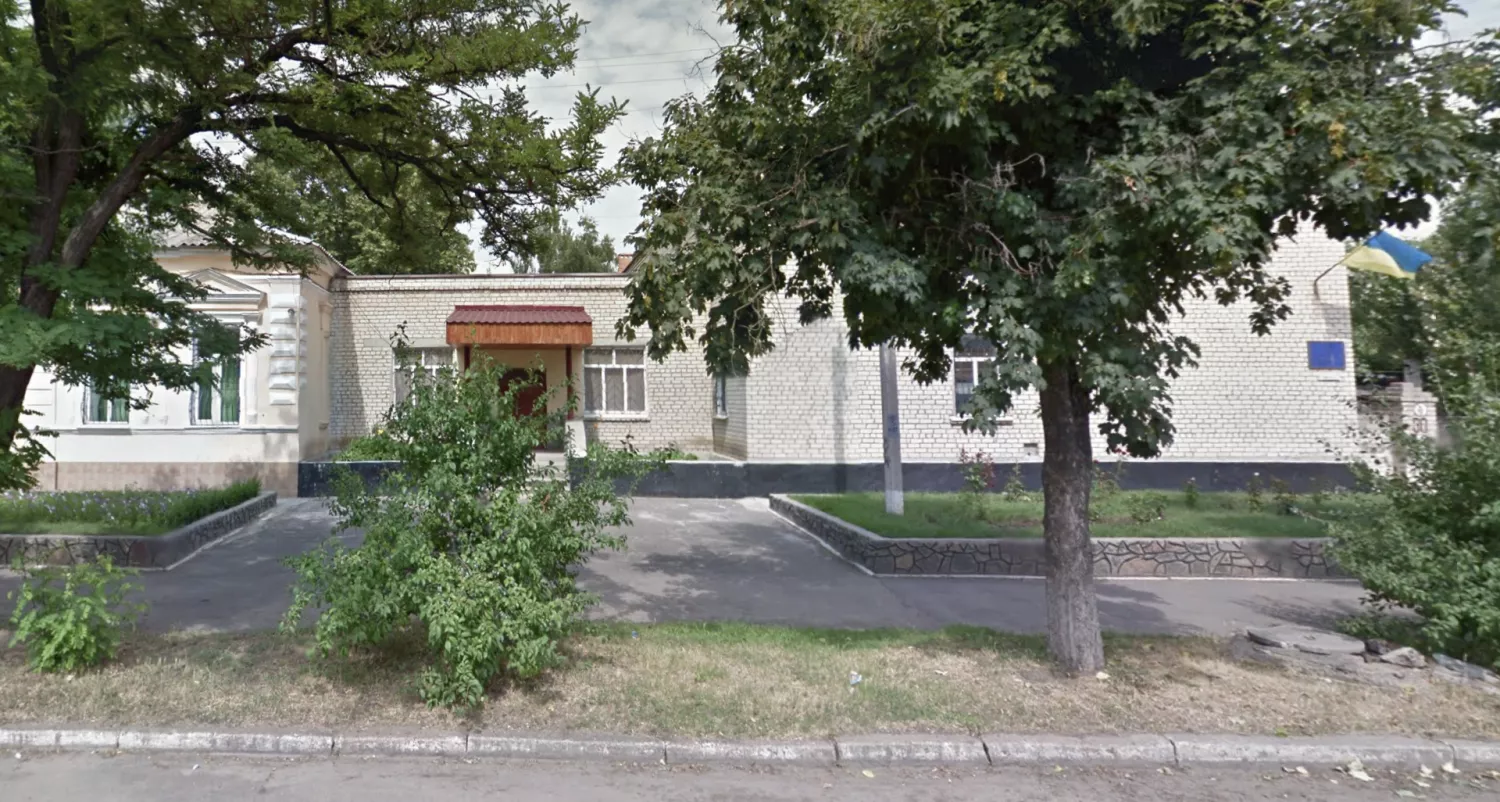 Voznesensk Special School. Screenshot from Google Maps
Vasyl Donets, representative of the Ukrainian Parliament Commissioner for Human Rights in the Kherson and Mykolaiv regions, noted that a separate unit responsible for protecting children’s rights had become involved in reviewing the situation.
«In this particular case, I believe it was the combination of all these measures that made a difference. This was made possible, first and foremost, by the mother’s proactive stance, as she approached various authorities and demanded that the law and her rights be upheld. Our institution also became involved in resolving the issue. We sent letters and tried to help with the resumption of schooling,» said Vasyl Donets.
He explained that, following a complaint regarding a possible rights violation, the Commissioner’s Office investigates the circumstances and, if a violation is confirmed, applies the response mechanisms provided for by law. According to Vasyl Donets, the majority of complaints submitted to the institution are successfully resolved.
«If you take an active civic stance, approach all the authorities and demand that the laws are enforced and all the rules are followed, then ultimately the issue can be resolved, including with our help. Speaking from personal experience in particular: in almost 100 per cent of cases where people contact us, the issues are resolved,» noted Vasyl Donets.
He added that, from 1 May, the short number 1678 has been operational — the hotline of the Ukrainian Parliament Commissioner for Human Rights, which people can contact regarding possible human rights violations.
How parents fought for their children’s right to education beyond Year 9
It should be noted that, in total, nearly 240 children attend the special school in Voznesensk. There are between five and eight pupils per class, and lessons follow an adapted curriculum.
When Marina Kovaliova learnt that her daughter would not be able to continue her education at the school, she initially, according to her, contacted the Ministry of Education and Science of Ukraine asking for clarification on where such children could study after completing Year 9 at a special school.
In their reply, she was informed that children could continue their education in either special schools or mainstream secondary schools. Her enquiry was also forwarded to the Department of Education and Science of the Mykolaiv Regional Military Administration to resolve the issue at a local level.
Marina Kovaliova explained that initially the department had stated that the problem affected the entire region and needed to be resolved. However, in a subsequent written reply, they claimed that children who had completed Year 9 at a special school were allegedly unable to continue their education, as this was not provided for by law. According to her, this position is untrue and is, in fact, discriminatory, as all children have the right to a full general secondary education.
Unsatisfied with this response, the woman re-applied to the Ministry of Education and Science of Ukraine. Following this, the Department of Education and Science of the Mykolaiv Regional State Administration proposed transferring the child to a mainstream secondary school.
For more details on the situation regarding inclusive education in Voznesensk, read the article by NikVesti entitled «Violation of a child’s right to education. How do inclusive schools operate in the Mykolaiv region?».