Plans are in place to renovate a sewerage collector in Mykolaiv at a cost of ₴59 million
- Alona Kokhanchuk
-
•
-
17:43, 20 March, 2026
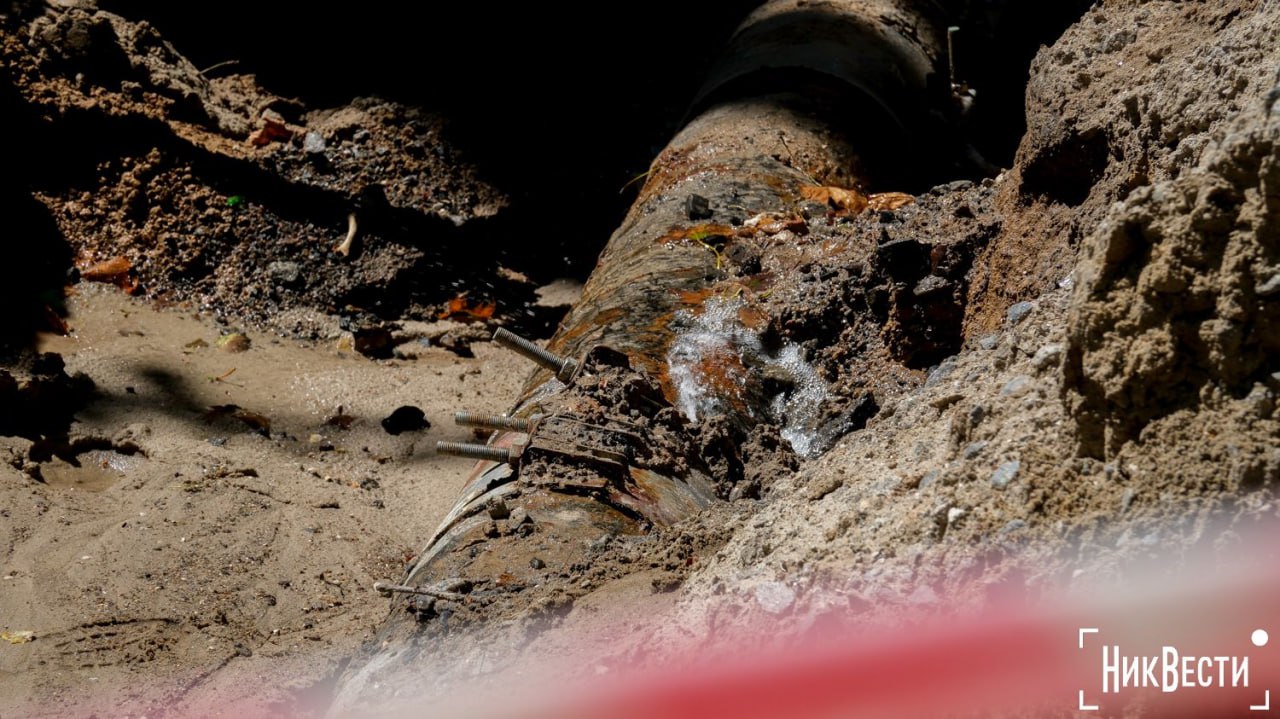 Repairs to the water supply network. Illustrative photo from the NikVesti archive
In Mykolaiv, reconstruction work is to be carried out on the sewerage collector on Ihor Bedzai Street (formerly Chkalova Street). The cost of the work will amount to 59 million hryvnias.
This is according to data from the ProZorro public procurement system, reports NikVesti.
The reconstruction of the sewerage collector will take place on Ihor Bedzai Street (Chkalova) from 6 Slobidska Street to Inzhenerna Street.
On 20 March, Mykolaivvodokanal announced a tender worth 59 million 20 thousand 530 hryvnias. The project involves replacing the existing reinforced concrete pipes. The work is to be completed by 31 December 2026. The contractor will be selected after 3 April.
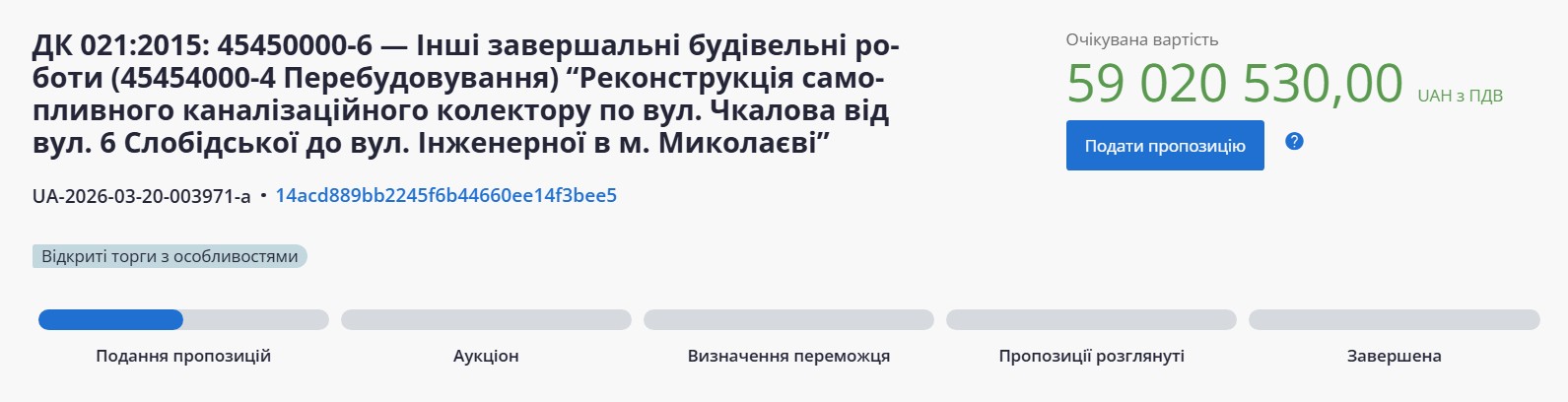 Screenshot from the ProZorro public procurement system
According to the DREAM digital restoration system, the total estimated cost of the reconstruction is 77.6 million hryvnias. Of this amount , 64.7 million hryvnias is earmarked for capital expenditure.
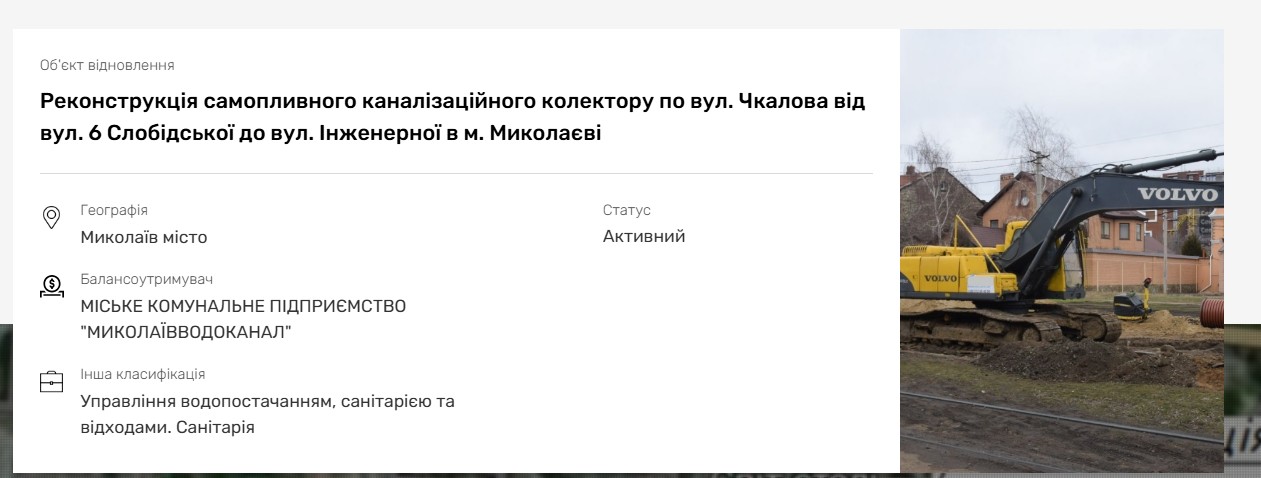 Reconstruction of a gravity sewer collector. Screenshot from the DREAM digital restoration system
It is noted that the main objective of the reconstruction is to improve the reliability of the drainage system, reduce operational costs associated with emergency repairs and maintenance, and eliminate unpleasant odours.
According to the project, the existing reinforced concrete pipes are to be replaced with double-walled corrugated pipes. The total length of the section planned for reconstruction is 1,806 metres. The project also involves the replacement of 45 reinforced concrete manholes along the collector.
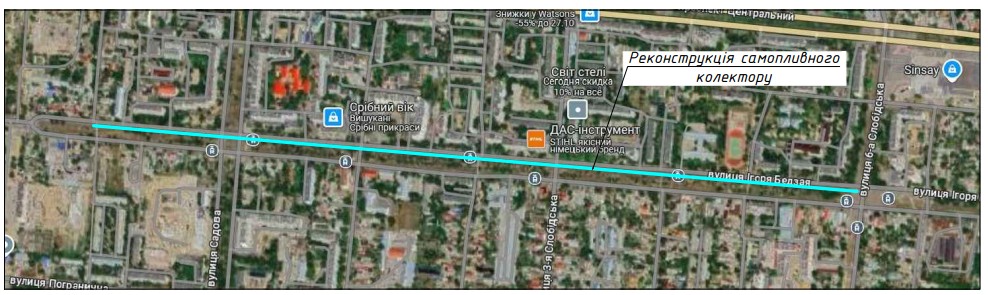 Schematic of the sewer collector reconstruction. Screenshot of project documentation
According to data from the ProZorro public procurement system, the preparation of the design and cost estimate documentation cost the water utility 1 million 24 thousand hryvnias.
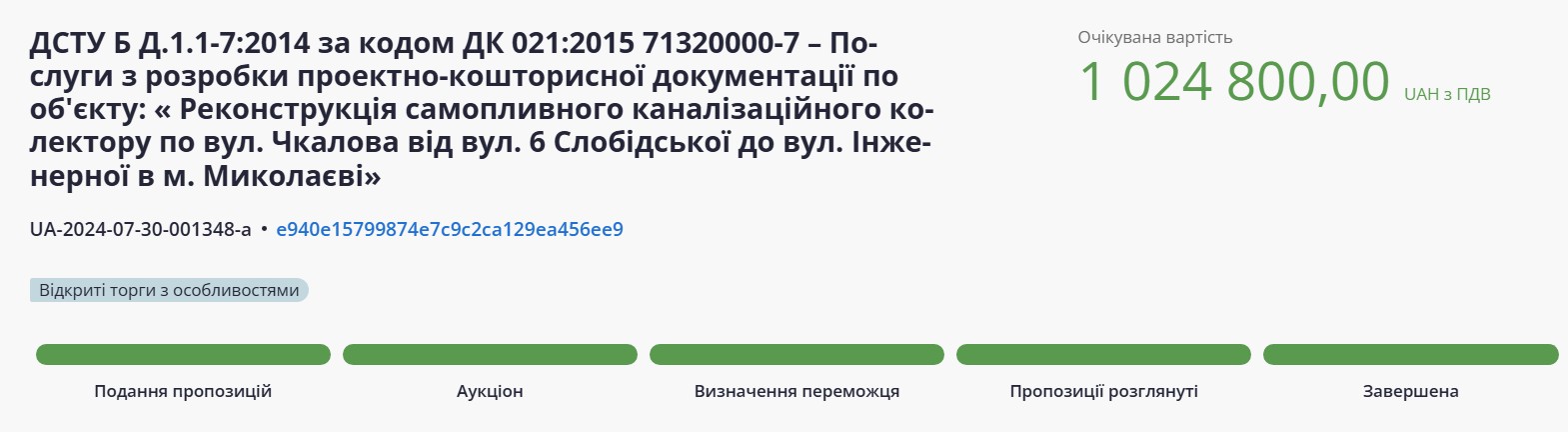 Services for the development of design and cost estimate documentation. Screenshot from the ProZorro public procurement system
In October 2024, Mykolaivvodokanal had already allocated 3.5 million hryvnias for part of the works. At that time, the contractor selected was «Vik-Technolohii» LLC, which was to replace 100 metres of the collector from 7 Slobidska Street to 6 Slobidska Street and install new manholes.
Following this, in March 2025, the water utility signed an additional contract with the limited liability company «Vik-Technolohii» for 1.5 million hryvnias. The contractor was to carry out additional work on the same section of the sewer.
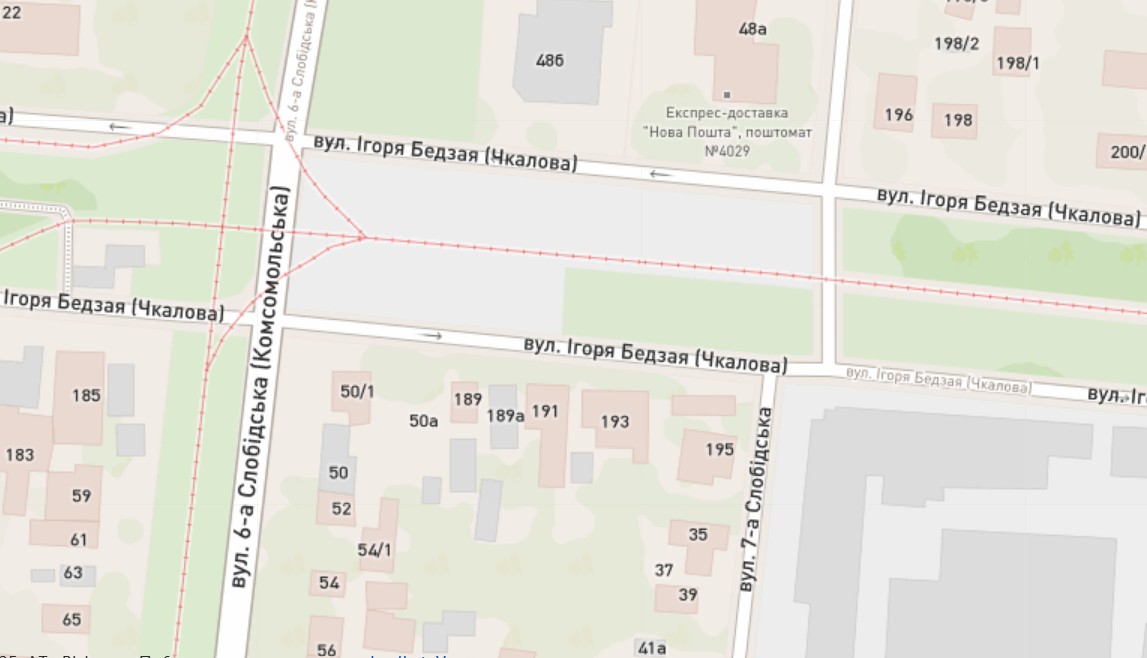 The section runs from 7 Slobidska Street to 6 Slobidska Street. Screenshot from Google Maps
It should be recalled that in January 2026, the head of «ViK-Technologies», Oleksandr Zhak, stated that he had been proposing to repair the damaged culvert in the Soliany neighbourhood since 2017, but had been unable to secure the contract for several years.
According to the businessman, the first attempt to reconstruct the culvert took place in 2017, when Mykolaivvodokanal was the client. The estimated cost of the project at the time was 28.5 million hryvnias, and the proposal from «Vik-Technolohii», he said, was 20% cheaper. Over the course of 2.5 years, the entrepreneur claims, six tenders were held, in each of which the company was rejected.
Also, in October 2023, Oleksandr Zhak spoke out about corruption in the Mykolaiv region linked to procurement for the reconstruction of the water pipeline.
At the time, the publication «Nashi Hroshi» analysed the Mykolaiv Regional Military Administration’s procurement for the reconstruction of the water pipeline in Mykolaiv, with a total value of 836 million hryvnias, and stated that the prices were inflated by 2–3 times. Responding to this publication, the head of the Mykolaiv Regional Military Administration, Vitalii Kim, said he would account for every penny spent and urged people «not to believe the bad news». The Department of Urban Planning, Architecture, Capital Construction and Development Project Support of the Regional Military Administration, commenting on this investigation, stated that the prices specified in the tender were entirely accurate.
Just three weeks later, the head of the Mykolaiv Regional State Administration held a briefing at which he thanked the journalists and confirmed that the contractor had overcharged. He noted that an analysis of the costs had revealed that the contractor had factored in inflation not only for this year but also for the next, and therefore the tender amount would be reduced.