The heating season in the Mykolaiv region went smoothly, and the region is already preparing for the next one, — Kim
- Darina Melnychuk
-
•
-
16:30, 19 March, 2026
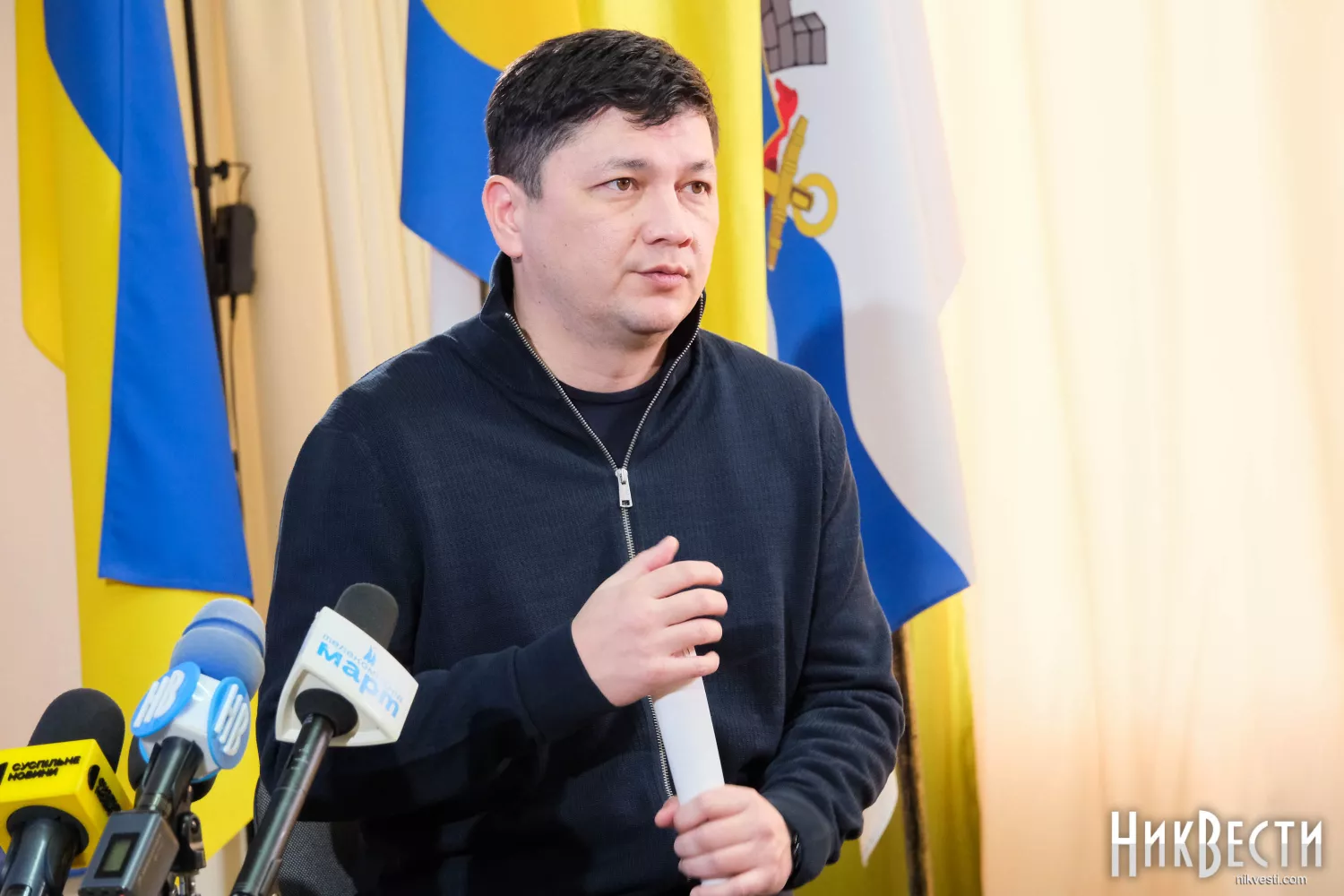 Photo: NikVesti
Preparations for the next heating season have already begun in the Mykolaiv region. Work started in March and involves the implementation of projects to protect critical infrastructure.
This was announced by Vitalii Kim, head of the Mykolaiv Regional Military Administration, during a televised broadcast.
According to him, this year’s heating season in the region passed without significant complications. This was made possible thanks to preparations that began as early as last spring, in particular the implementation of projects for the engineering and active protection of energy infrastructure.
Work is currently continuing in the region to diversify the heating system. The plan is to complete this work by September 2026. This involves, in particular, reducing dependence on gas and developing alternative sources of heat supply.
«The city of Mykolaiv accounts for around 30% of the region’s population: over 100,000 people, approximately 30,000 customers. Currently, around 42% of consumers use gas heating, whilst 58% are no longer dependent on gas. Therefore, the region as a whole is diversified. At the same time, there remains a part of Mykolaiv where the transition to a more autonomous, non-centralised heating system still needs to be completed. We plan to complete this work,» noted Vitalii Kim.
Measures are also being implemented in the region as part of the regional resilience plan. In particular, sufficient electricity generation and the development of cogeneration capacity have been ensured. They plan to complete this plan in the near future, after which they will focus on strengthening security measures.
As a reminder, the heating season in residential buildings in Mykolaiv will end next week — on Tuesday, 24 March. However, heating will continue to be supplied to nurseries, hospitals, maternity wards and outpatient clinics for the time being.