Educational setbacks in Mykolaiv’s schools: how the war, unrest and distance learning have affected children’s education
- Anna Hakman
-
•
-
15:51, 18 March, 2026
Air raid sirens, power cuts and online lessons: over the past few years, Ukrainian schoolchildren’s education has been disrupted time and again. As a result, some children have fallen behind the curriculum, and teachers have had to repeat certain topics. Schools in Mykolaiv say that educational losses are indeed real, and they have been accumulating since the Covid pandemic, only intensifying with the start of full-scale war. To help pupils catch up, schools are organising extra classes, summer schools and consultations, and are changing their approach to teaching.
Journalists from NikVesti have investigated how the war and distance learning have affected children’s education and what schools are doing to bridge these gaps.
Distance learning has left gaps in knowledge
As of early March, 64 schools are operating in Mykolaiv: 43 are teaching in-person, 9 in a blended format and 12 remotely. There are 159 classes operating online in remote schools, and 185 in in-person schools. Of the city’s 34,521 students, 28,656 are currently in Mykolaiv. Of these, 21,333 (62%) are attending in person, 2,663 (8%) are in a blended format, and 10,525 (30%) are learning remotely.
Furthermore, due to a lack of shelters, some schools are forced to temporarily operate from the premises of other institutions: Gymnasium №15 — in the premises of Gymnasium №13, Gymnasium №18 — in Gymnasium №6, Gymnasium №33 — in Gymnasium №54, Gymnasium №48 — in the O. Olzhych Lyceum, and Gymnasium №12 — at Music School №8.
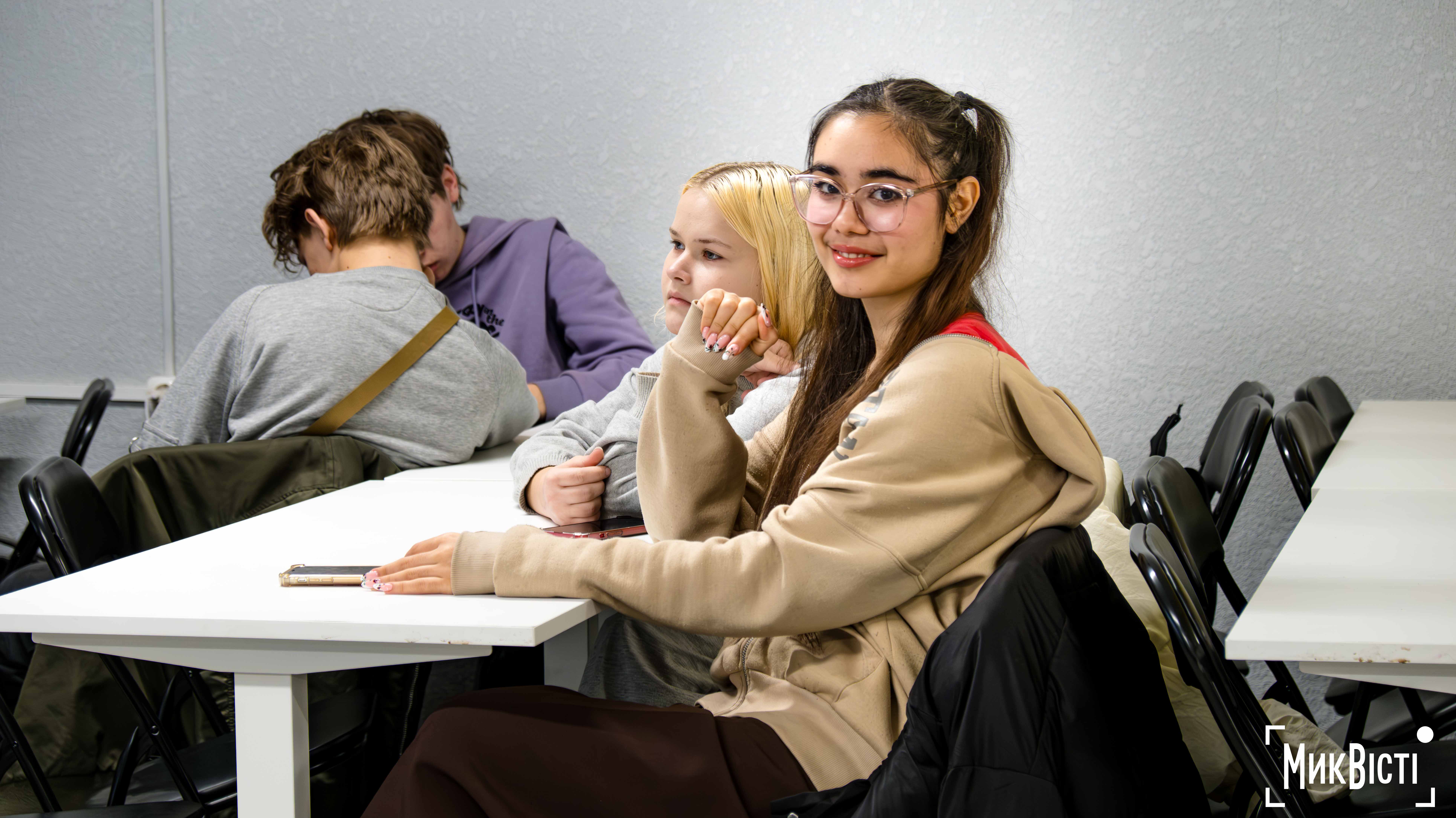 Pupils at Mykolaiv Lyceum No. 55 during face-to-face lessons. Photo: Anna Gakman / NikVesti
Liubov Patlata, headteacher of the Mykola Arkas Lyceum, told NikVesti that the return to face-to-face learning after several years of distance learning has been difficult for both students and teachers. According to her, some of the material had to be repeated, as the children were not able to fully grasp all the topics during online lessons.
«As in many schools, our children studied remotely for several years, so after returning to face-to-face learning, the educational gaps were significant. We were only able to fully transition to in-person learning last academic year, so that is when we focused our efforts on addressing these gaps. September was effectively devoted to revising the material that students had covered remotely,» she explains.
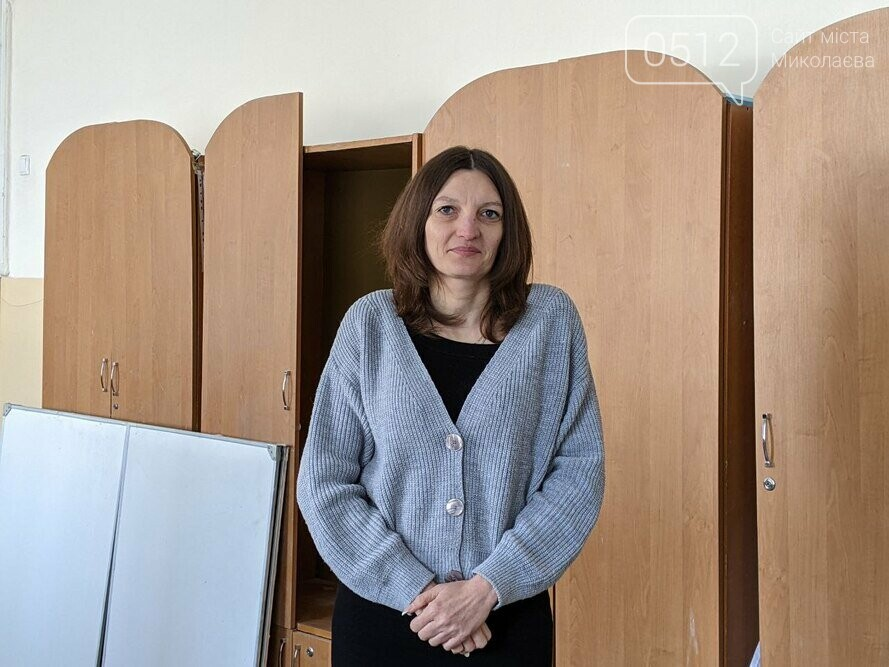 Liubov Patlata, Headteacher of the Mykola Arkas Lyceum. Photo: 0512
To identify exactly where the gaps in knowledge lay, the school set comprehensive assignments across subjects based on the previous year’s curriculum. Based on the results, teachers identified the topics that needed revising.
«We set them comprehensive tests based on the previous year’s curriculum to identify exactly where the gaps were. After analysing these tests, it became clear which topics required the most attention. Of course, they couldn’t catch up in just a month. That’s why we worked on this throughout the entire academic year,» explains the headteacher.
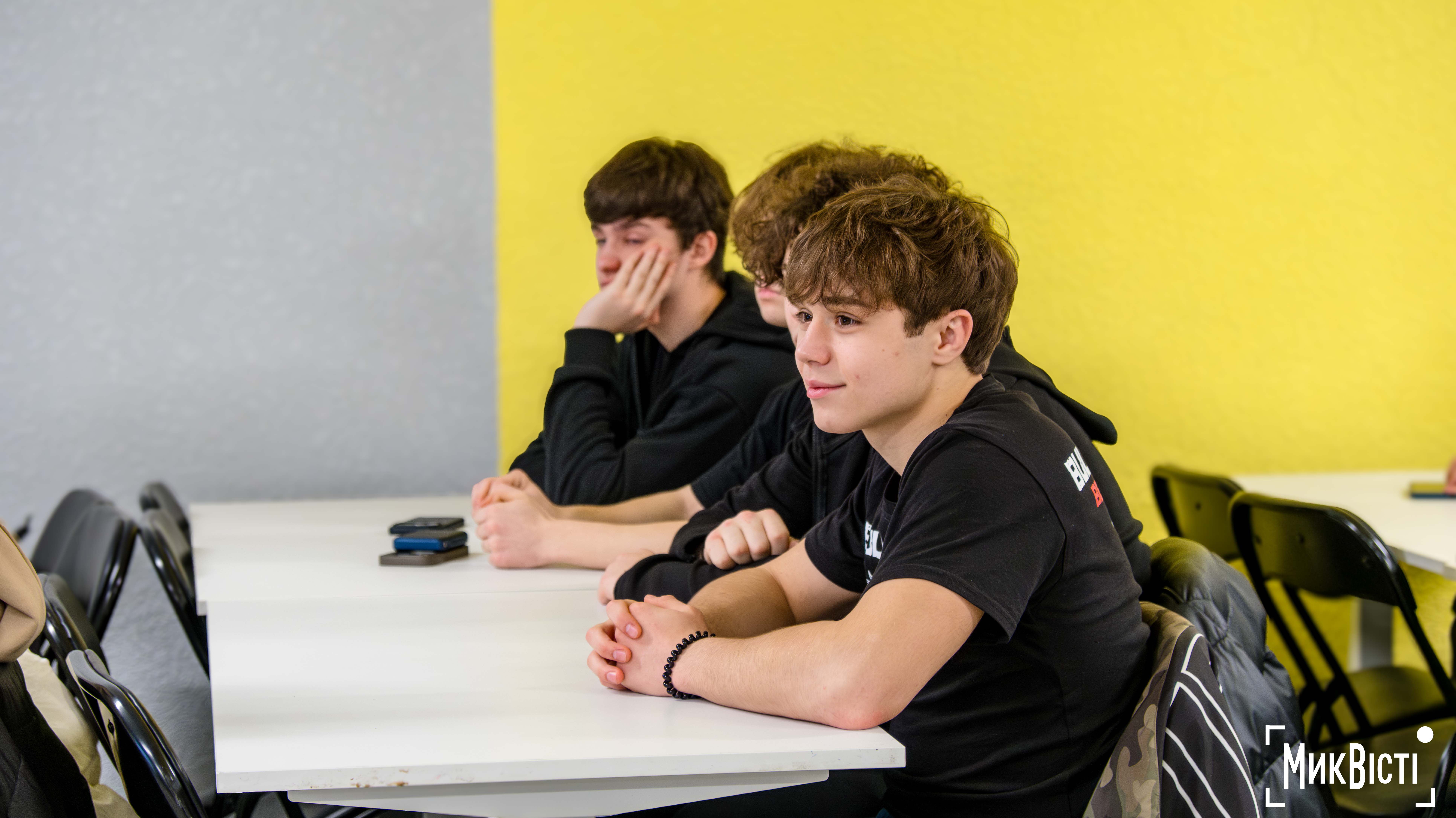 Pupils at Mykolaiv Lyceum №55 during face-to-face lessons. Photo: Anna Gakman / NikVesti
In addition, extra classes were organised for the pupils during the holidays.
It should be noted that the Mykola Arkas Lyceum has been operating from the premises of another educational institution for several years now, whilst restoration work is being carried out on their own school building, which was damaged by Russian shelling.
Summer schools and consultations for parents
Some educational institutions have developed their own strategies to address learning loss. According to Tetiana Heller, headteacher of the Mykolaiv Lyceum named after Professor M. Aleksandrov, her institution has drawn up specific guidelines for this work.
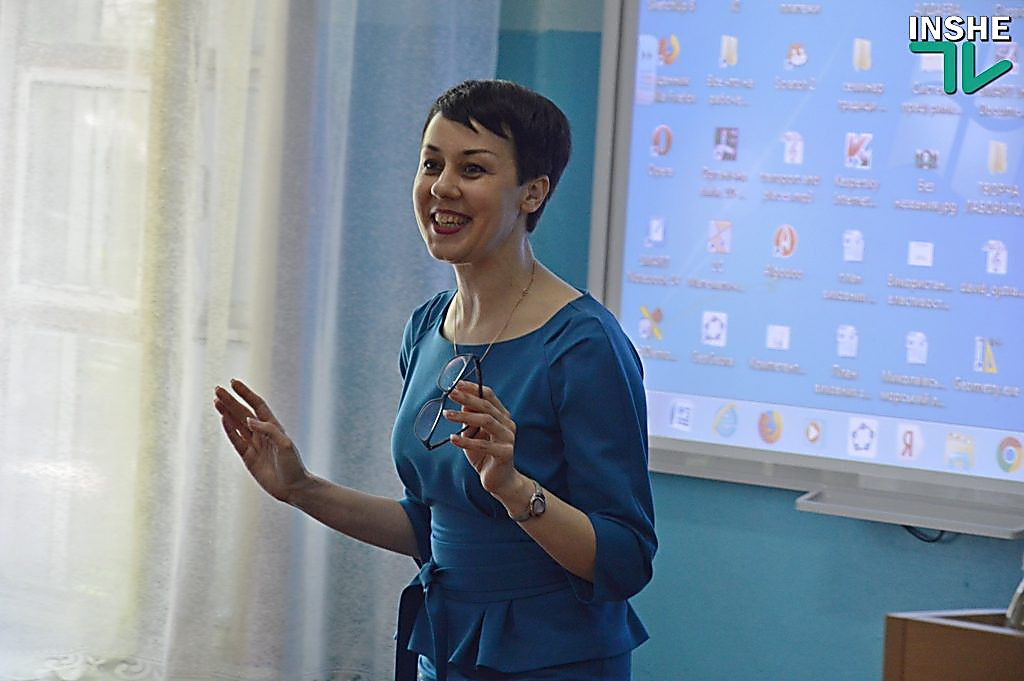 Tetyana Geller. Photo: Inshe TV
«At present, our school has a specific strategy for addressing learning loss. We even have a special set of guidelines detailing exactly how the school tackles this issue. In short, the strategy comprises several key areas. The top priority is the opportunity to make up for lost teaching time. After all, learning loss often arises due to air raid alerts. It happens that an air raid siren goes off during the same lesson several times, and then three or four hours of teaching are lost. Therefore, our main task is to find ways to make up for this lost time. One such tool is the summer school, which serves as an additional resource for students,» she told NikVesti.
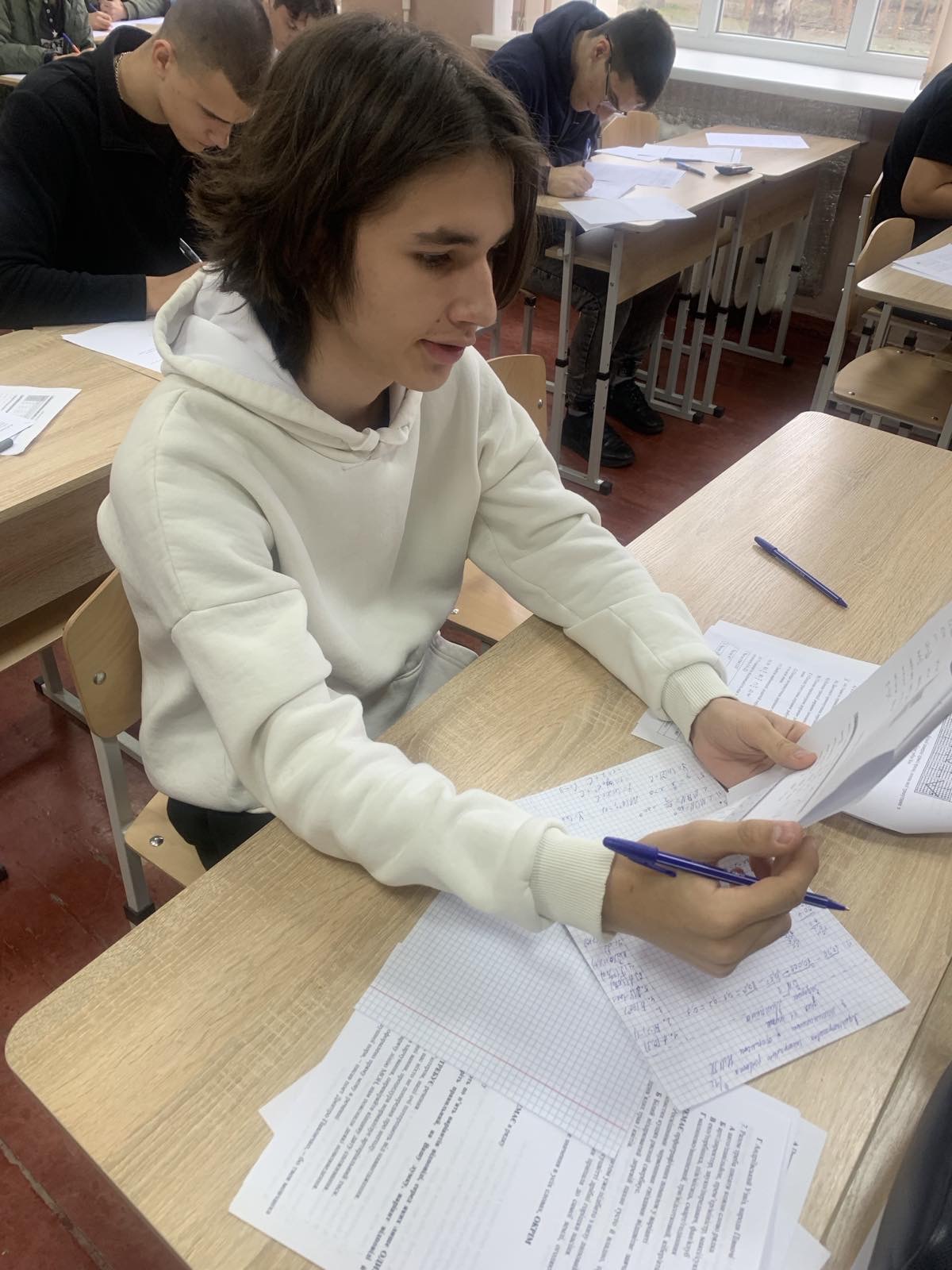 Pupils at the Mykolaiv Lyceum named after Professor M. Aleksandrov. Photo: Tetiana Geller
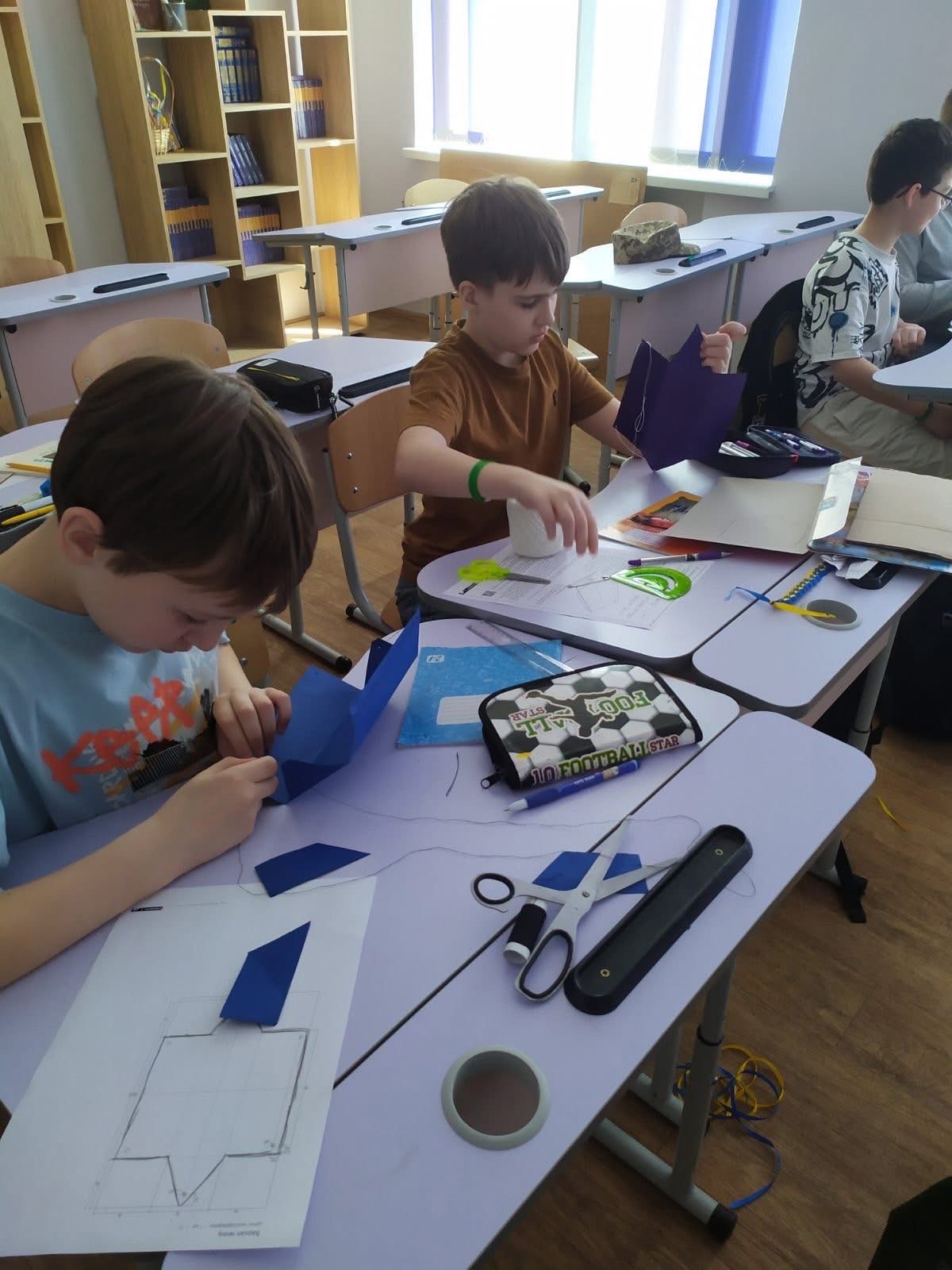 Pupils at the Mykolaiv Lyceum named after Professor M. Aleksandrov. Photo: Tetiana Geller
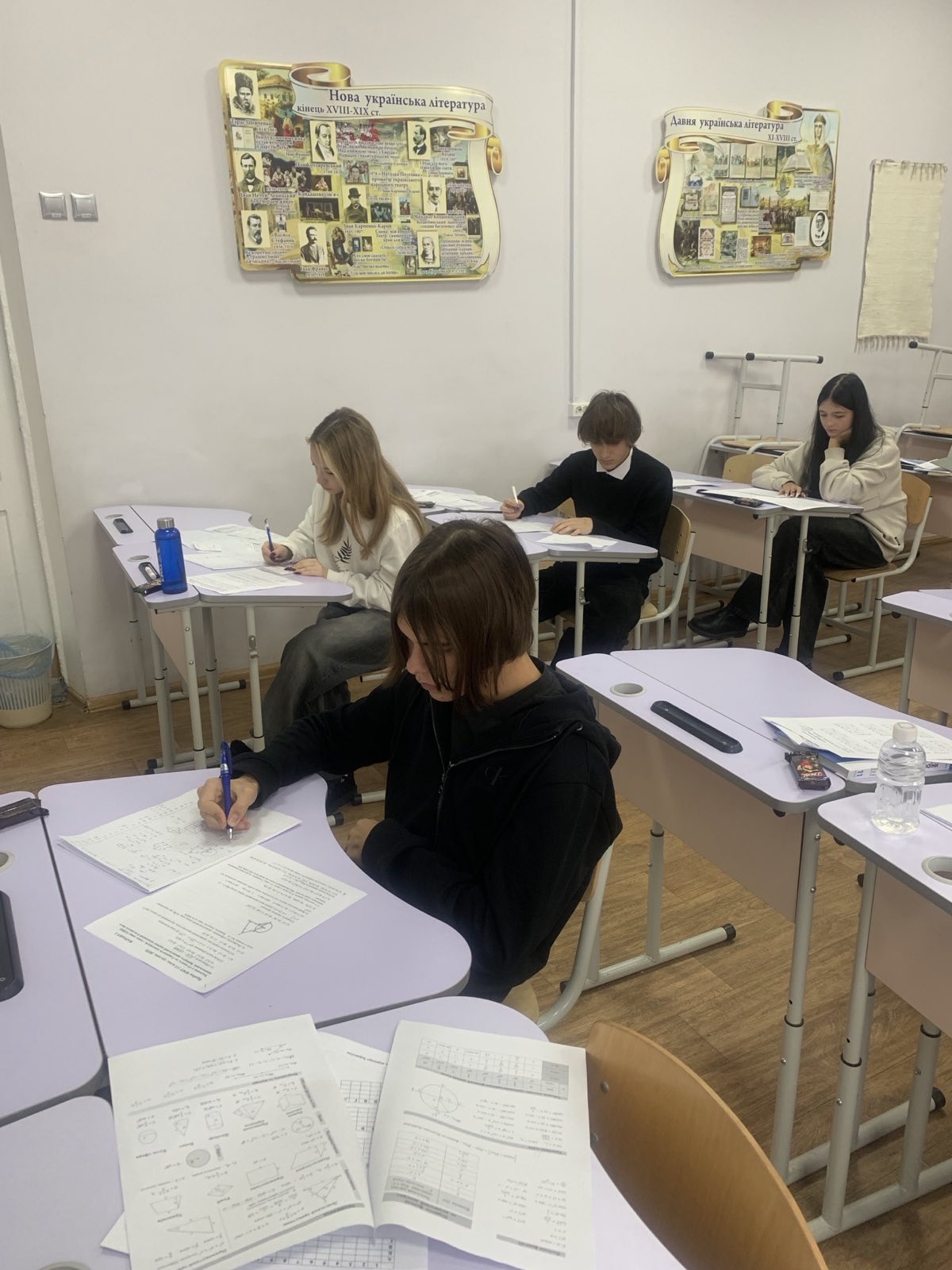 Pupils at the Mykolaiv Lyceum named after Professor M. Aleksandrov. Photo: Tetiana Heller
According to her, two categories of children attend the summer school: gifted pupils and those who need to fill gaps in their knowledge. Last year, around 80% of the school’s pupils took part.
«Two categories of pupils attend the programme. The first consists of gifted children who take part in national academic competitions or represent the Junior Academy of Sciences. For example, this year nine of our pupils are going to national academic competitions, and another four will present their work at the Junior Academy of Sciences. The second category consists of pupils who need to catch up on missed learning. The summer school takes place after the end of the academic year and lasts for about ten days, whilst the teachers are still working before their holidays. Last year, around 80% of our school’s pupils took part in it,» notes the headteacher.
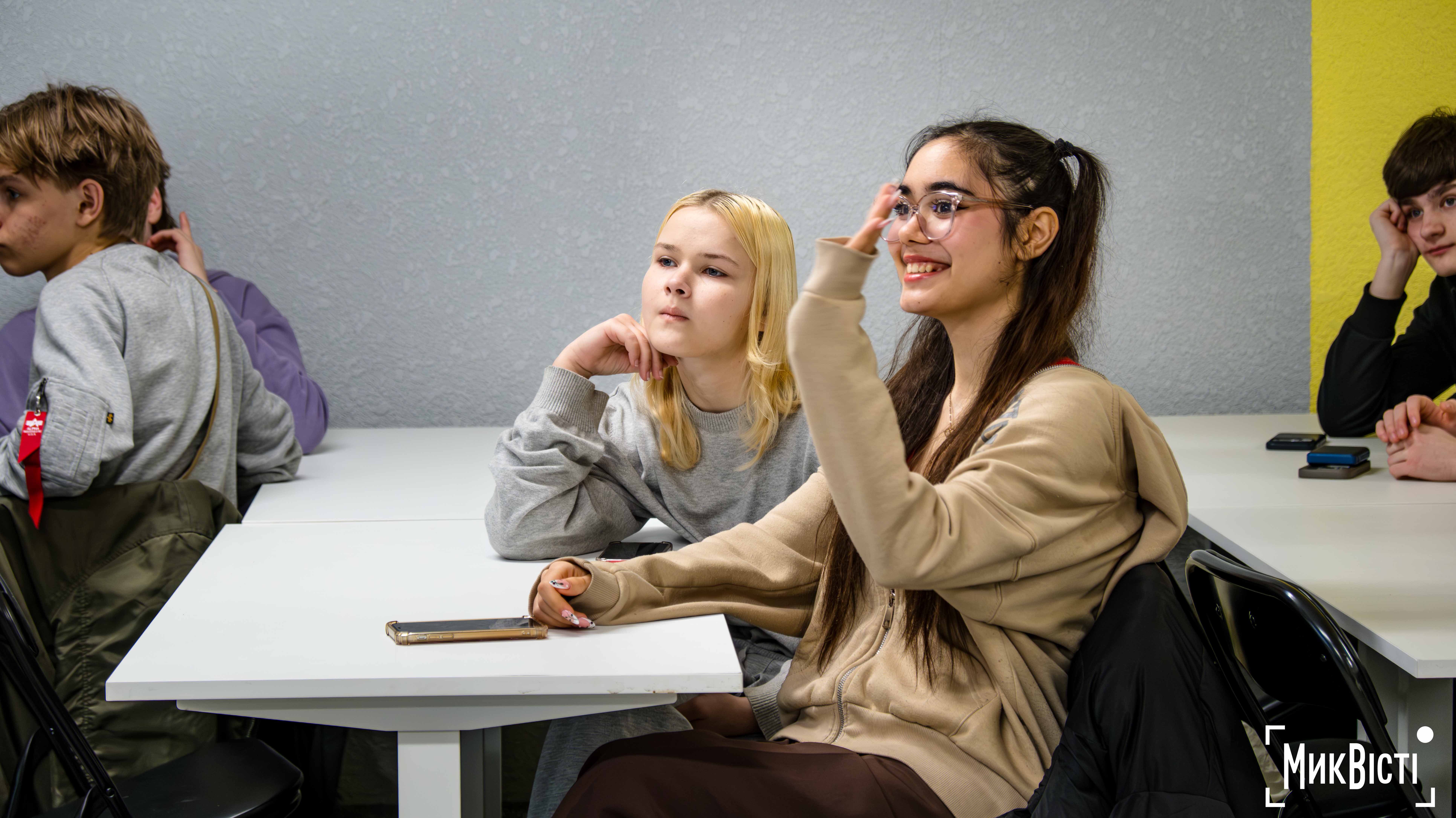 Pupils of Mykolaiv Lyceum №55. Photo: NikVesti
In addition, teachers provide individual consultations and regularly assess learning gaps. Another tool is the so-called «Parents’ Saturdays».
«Every Saturday, five teachers hold consultations for parents. They can ask any questions regarding their children’s education,» explains Tetiana Heller.
Knowledge monitoring and flexible curricula
Schools actively use various knowledge monitoring systems, ranging from internal tests to international educational benchmarks.
«We conduct our own multi-subject test in Year 9 once a year, and in Years 10–11 twice a year. We then analyse which topics are proving difficult,» says Tetiana Heller.
If certain topics prove difficult, teachers can change the order in which the material is taught. At the same time, according to the headteacher, the average mark of pupils at the lyceum remains stable — around 7.4–7.9.
«This is what we call the flexibility of the curriculum, taking into account learning losses,» she adds.
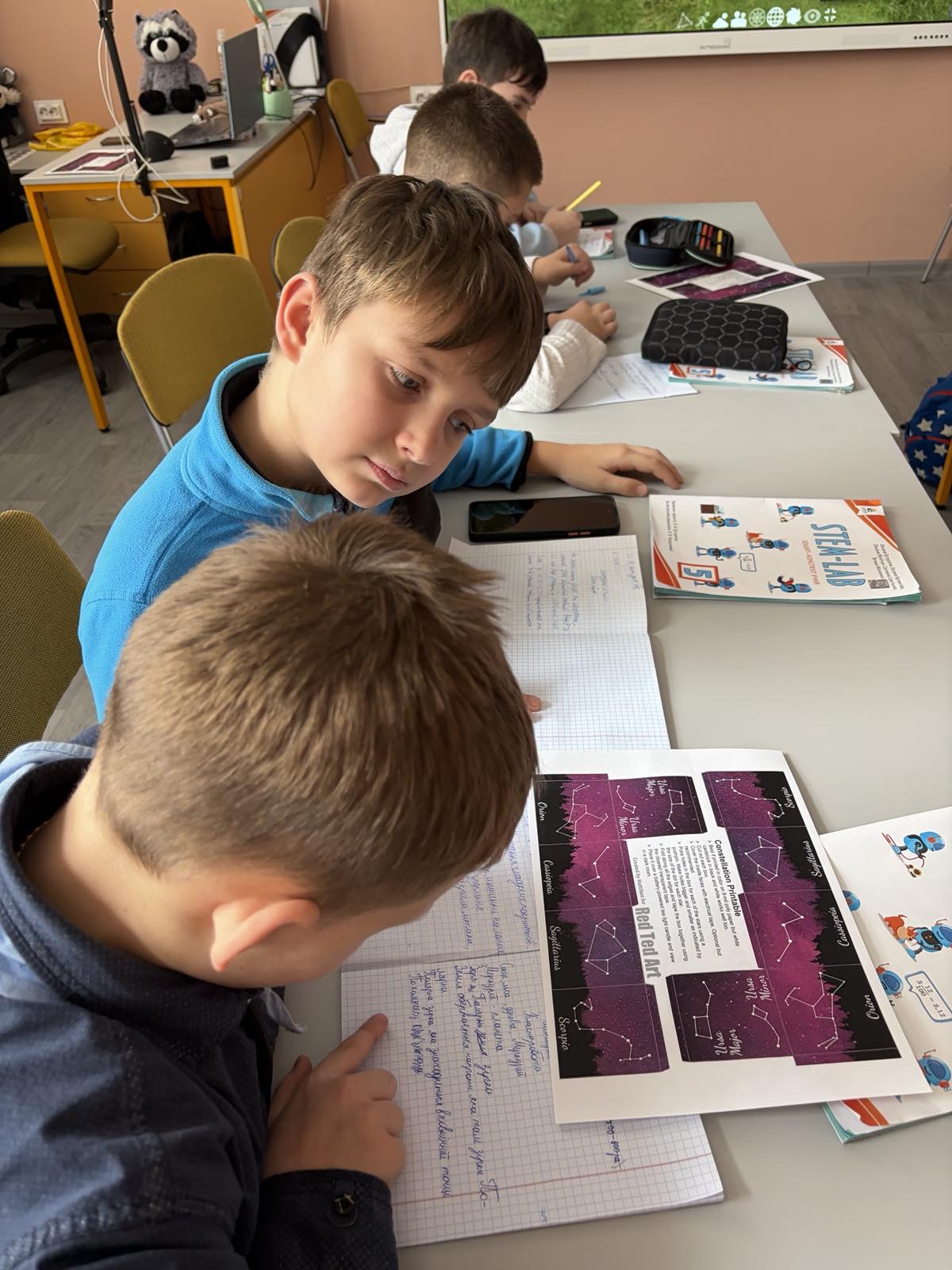 Pupils at the Mykolaiv Lyceum named after Professor M. Aleksandrov. Photo: Tetiana Heller
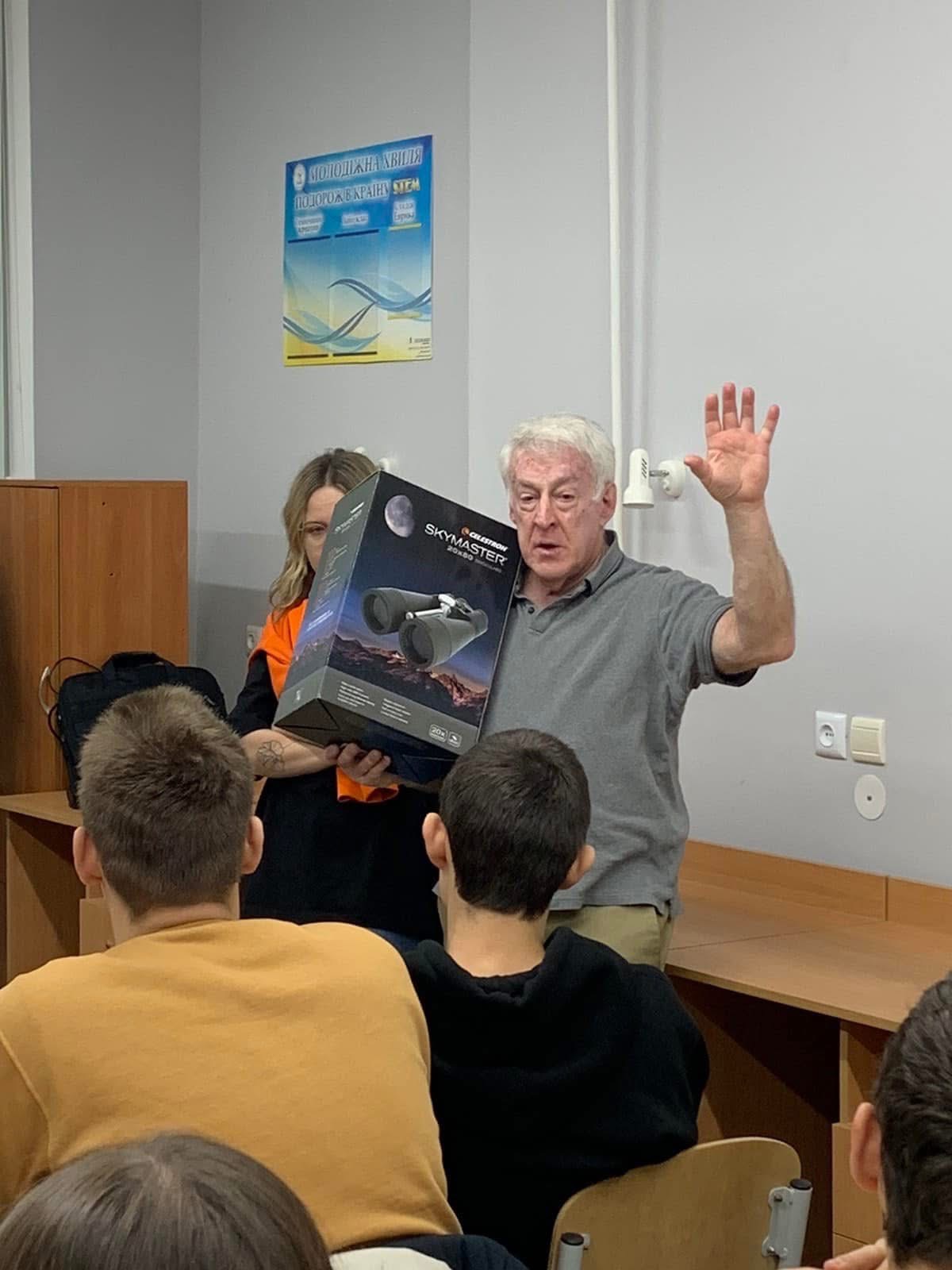 Pupils at the Mykolaiv Lyceum named after Professor M. Aleksandrov. Photo: Tetiana Heller
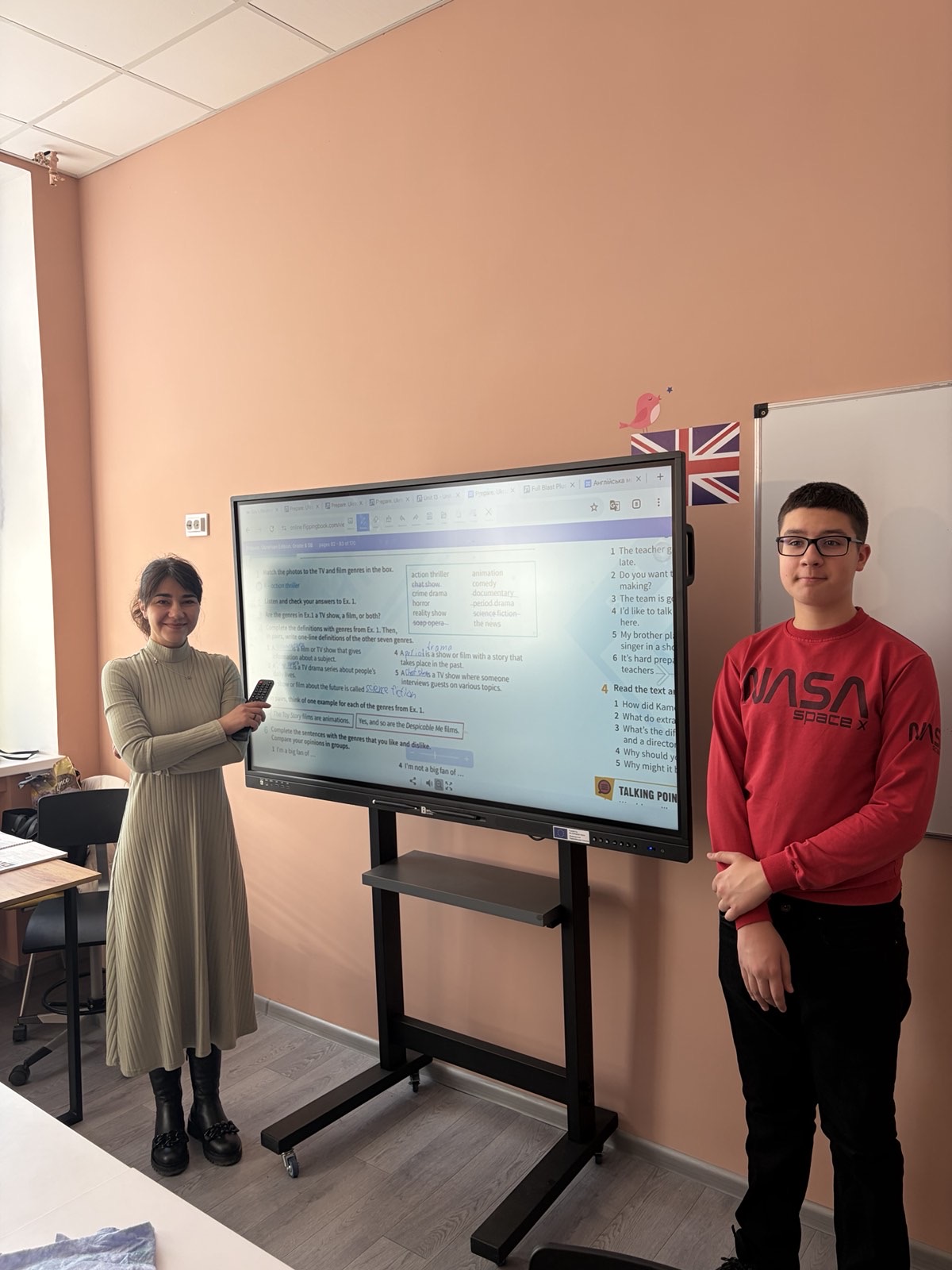 Pupils at the Mykolaiv Lyceum named after Professor M. Aleksandrov. Photo: Tetiana Heller
Teachers: war and anxiety are affecting learning
We also spoke to Andrii Havrylenko, a history teacher at Mykolaiv Lyceum №55. He also believes that educational losses are indeed becoming apparent. According to him, due to air raid alerts and power cuts, children have gaps in their knowledge by the end of the school year.
«This usually manifests as a failure to keep up with the curriculum. Due to air raid alerts or power cuts, children have educational gaps by the end of the school year. And this, unfortunately, is a normal situation under the current circumstances. We are trying to do everything in our power to constantly work on overcoming them. But, of course, we cannot influence all circumstances. Sometimes so-called «gaps» appear in their knowledge: it seems that a topic has been covered, but the children simply do not remember it,’ said Andrii Havrylenko in a comment to NikVesti.
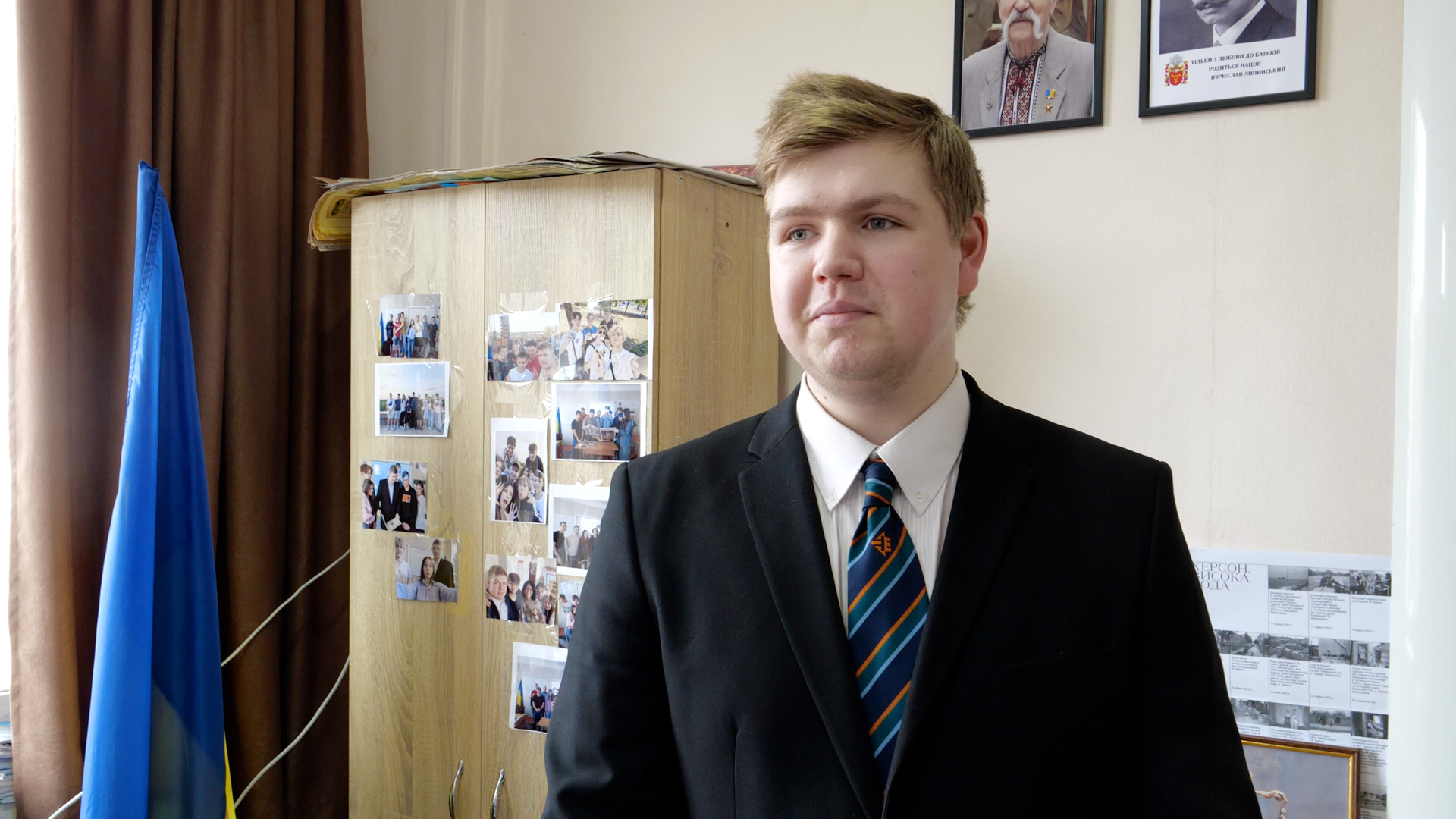 Andrii Havrylenko, history teacher at Mykolaiv Lyceum №55. Screenshot from the NikVesti YouTube channel
In his view, distance learning has become a particular problem, as it is difficult to monitor the completion of assignments.
«It’s harder to assess knowledge online because there’s less supervision. Children can cheat, and suddenly all the tests end up with marks of 12,» says Andrii Havrylenko.
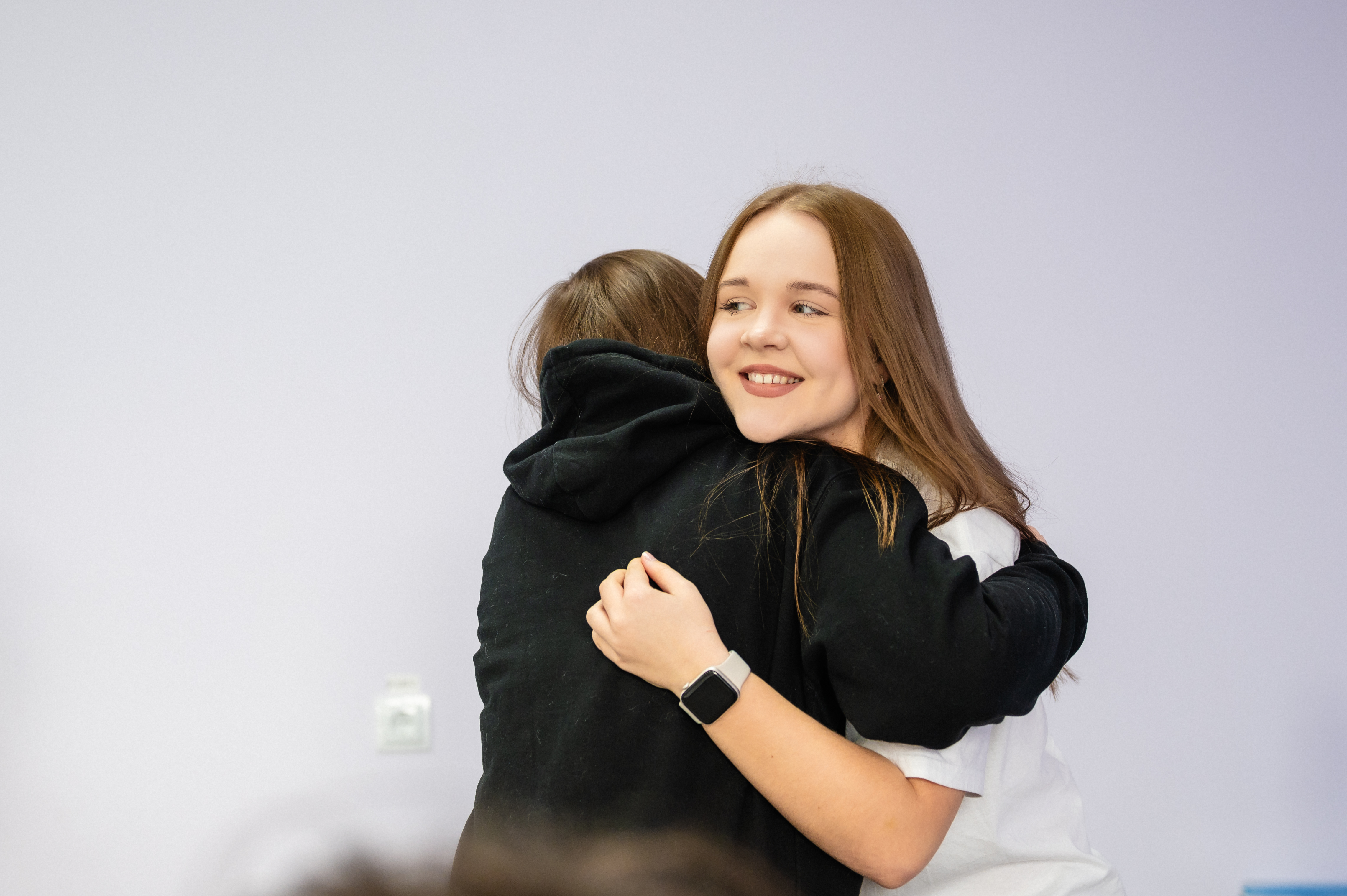 Pupils at Mykolaiv Lyceum № 55 hold a meeting on mental health. Photo: ‘Impulse’
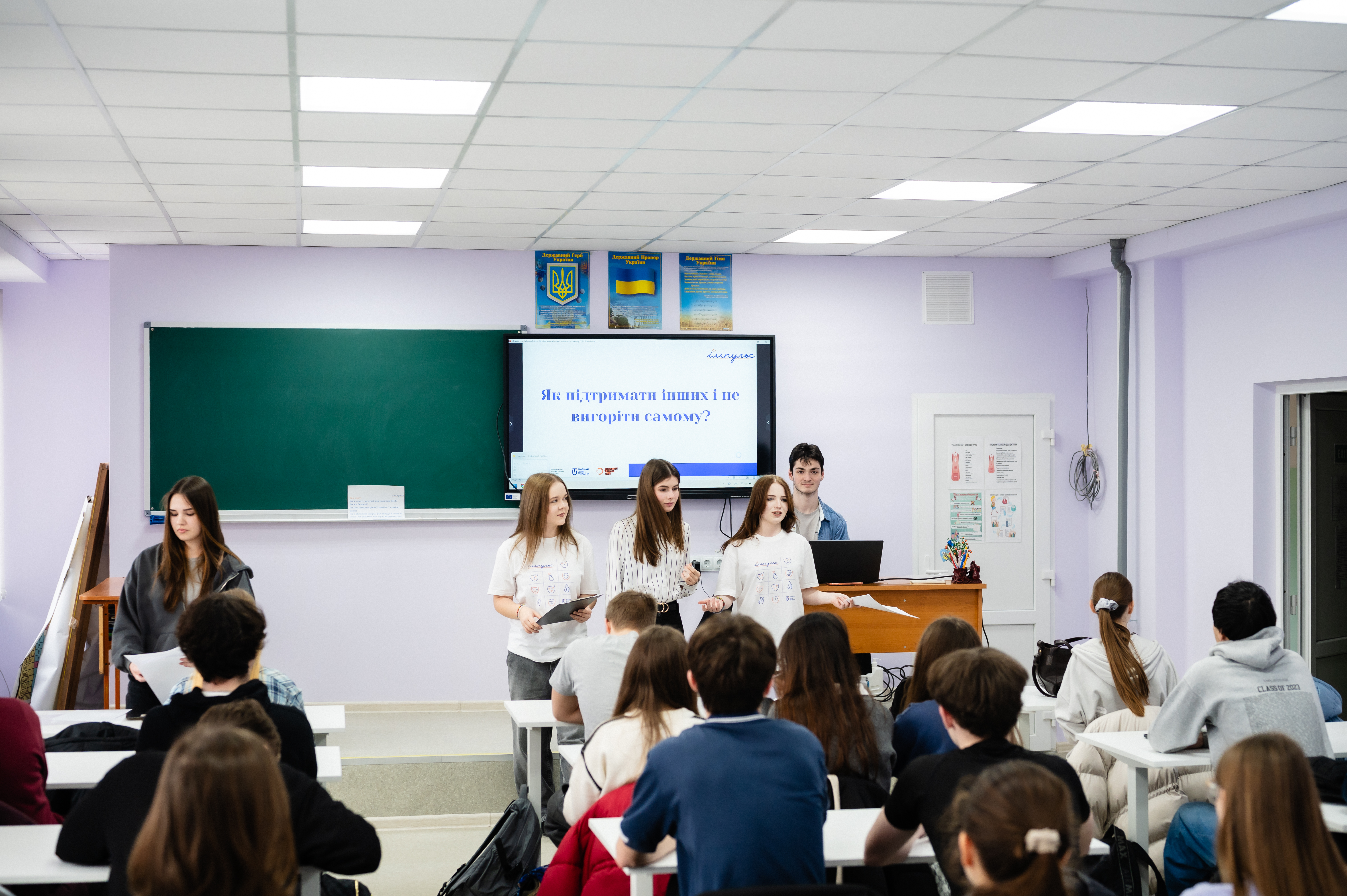 Pupils at Mykolaiv Lyceum №55 hold a meeting on mental health. Photo: ‘Impulse’
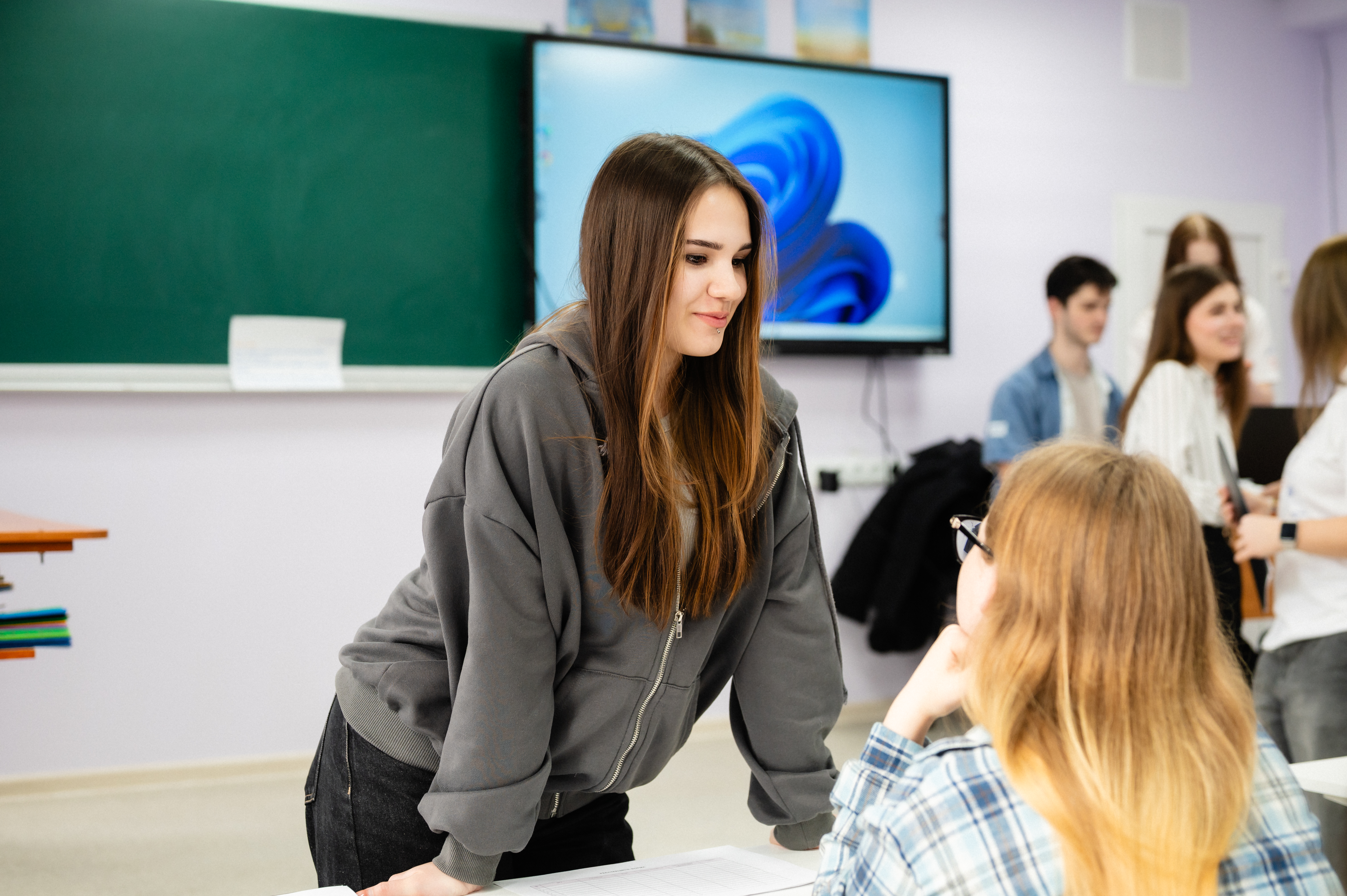 Pupils at Mykolaiv Lyceum №55 hold a meeting on mental health. Photo: ‘Impulse’
Psychologist: distance learning has affected children’s concentration
Svitlana Riupina, a psychologist at Mykolaiv Lyceum №55, notes that distance learning has affected pupils’ ability to concentrate.
«With distance learning, children need strong self-organisation skills, which they often lack. They could switch off their camera and go about their business,» she explains.
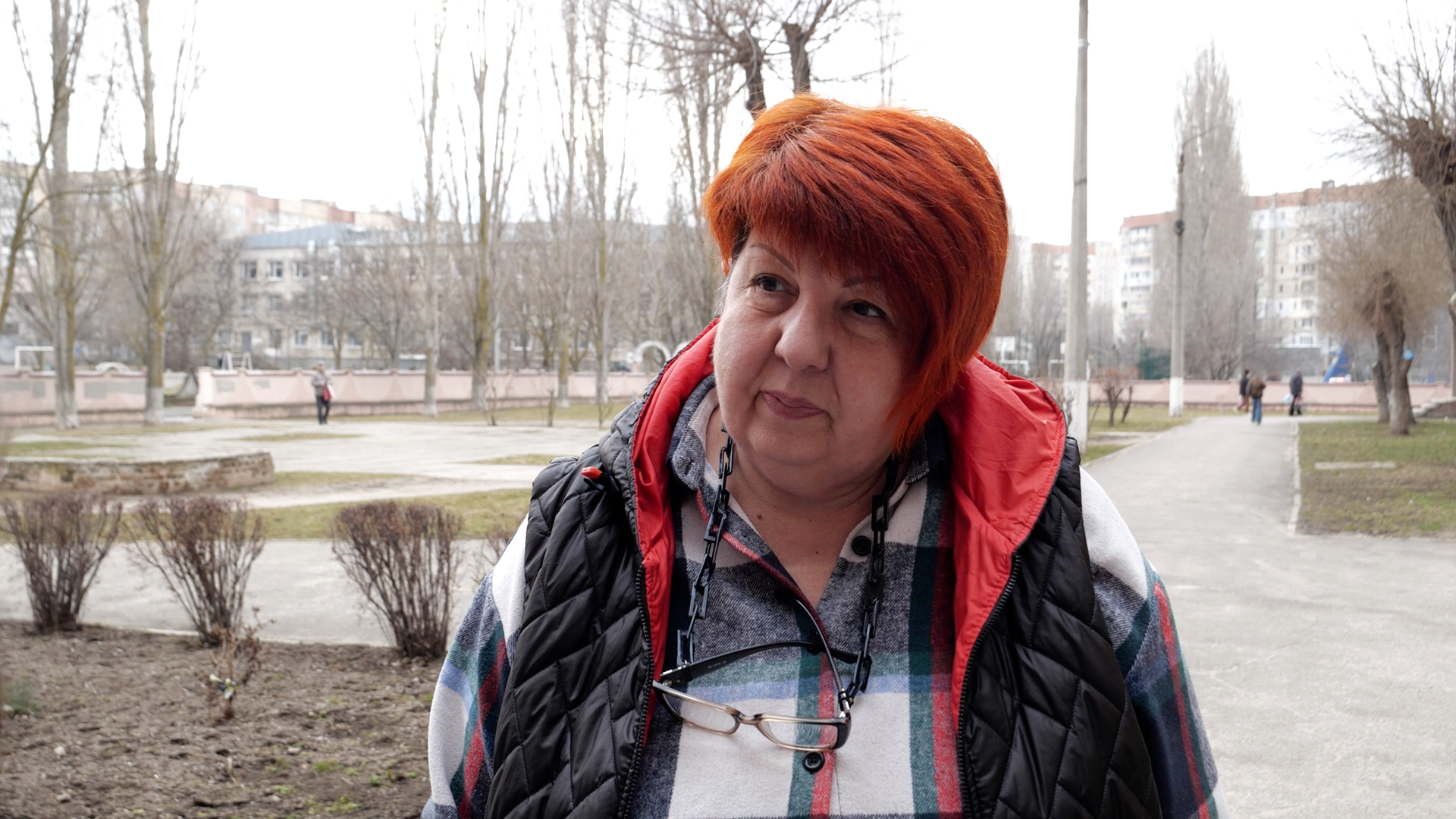 Svitlana Ryupina, a psychologist at Mykolaiv Lyceum № 55. Screenshot from the YouTube channel NikVesti
However, the psychologist says that the situation regarding children’s socialisation is gradually improving.
«Our school has been teaching in person for the second year running, so it’s difficult to talk about a loss of socialisation due to distance learning at the moment. Children are happy to come to school precisely for the sake of socialising. In fact, the problem is more related to the fact that children are getting used to gadgets and a significant part of their communication takes place online. Therefore, face-to-face learning, on the contrary, helps to restore socialisation: pupils chat during breaks, before and after lessons, come to school together and spend time together after classes,» she says.
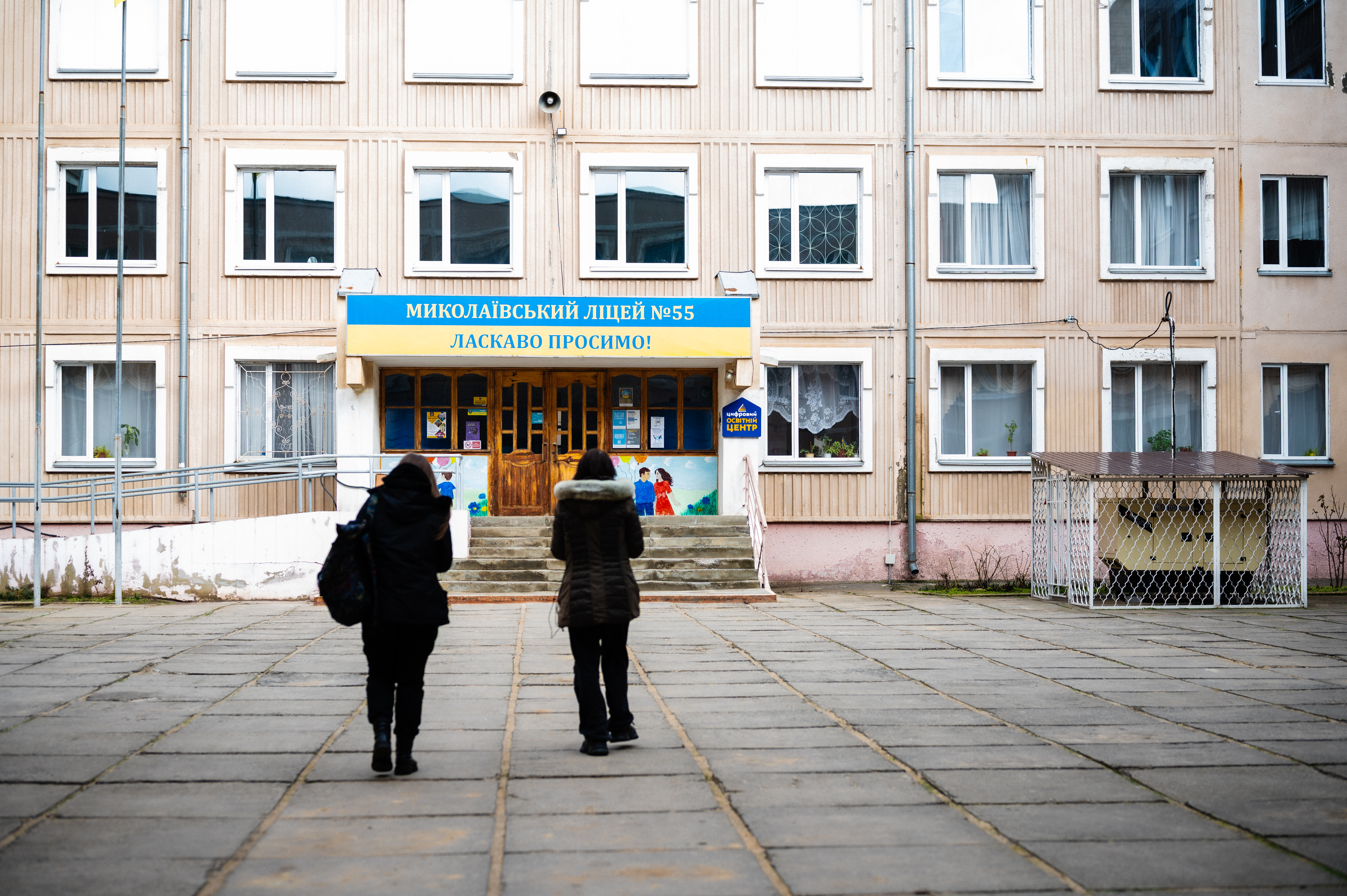 Lyceum №55. Photo: ‘Impulse’
What do the pupils say?
NikVesti spoke to pupils at Mykolaiv Lyceum №55. The pupils themselves say that air raid alerts, power cuts and the prolonged period of distance learning have had the greatest impact on their studies.
Diana, an 11th-year pupil at Lyceum №55, says that face-to-face learning is much more comfortable for her.
«We feel more confident. Our friends and teachers are here; they help us. Online learning is more restrictive; we’re at home, in a sort of «cocoon». And now we’re also preparing for the National Multidisciplinary Test, so in-person learning is much better,» she says.
At the same time, air raid sirens do interrupt the learning process.
«Unfortunately, there are a lot of air raid alerts and it’s dangerous. But we try to strike a balance. The teachers are more understanding about this and give us a bit more time,» says the student.
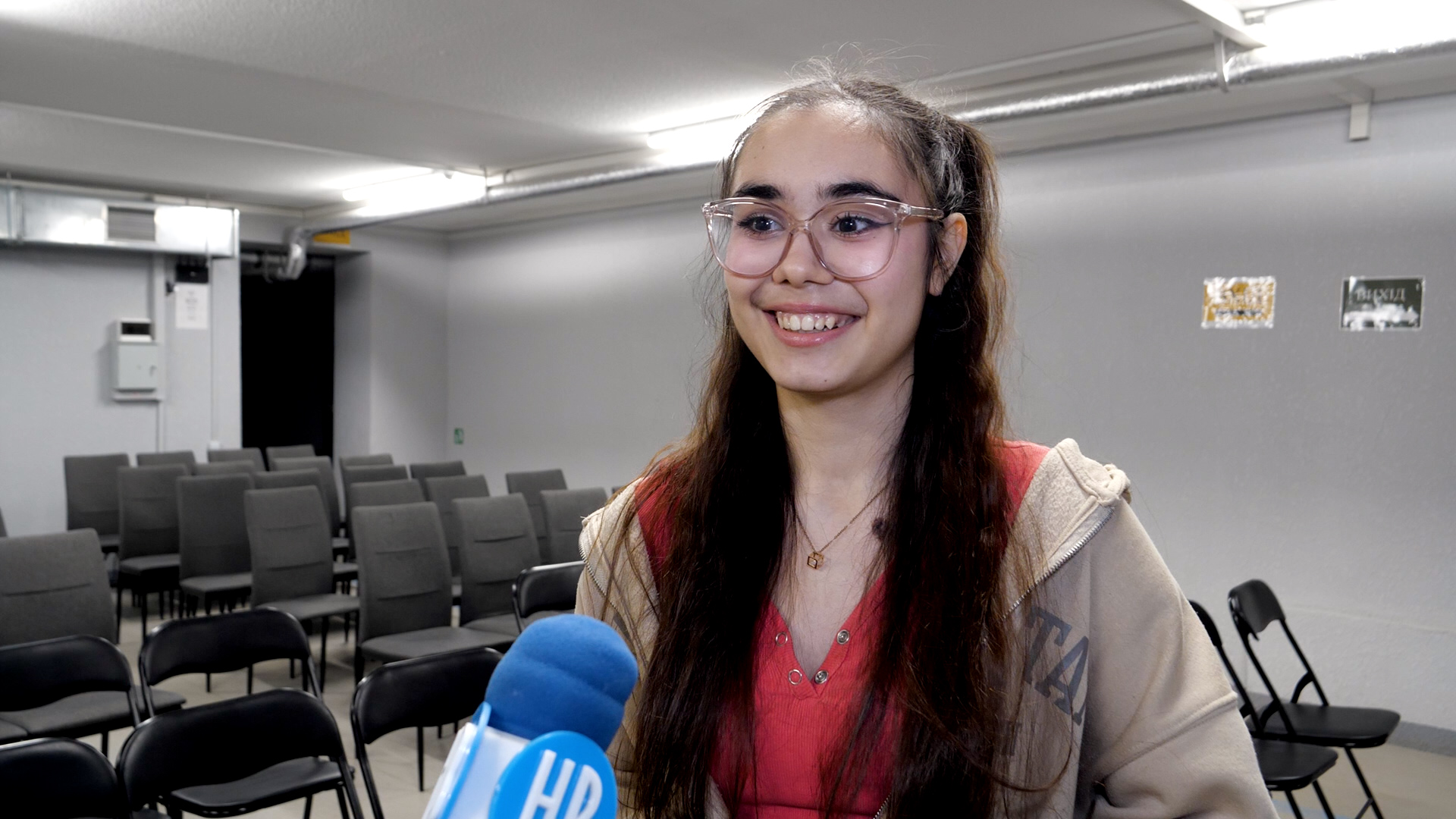 Diana, a Year 11 student at Lyceum No. 55. Screenshot from the YouTube channel NikVesti
Meanwhile, Maxim, an 11th-year student at Lyceum №55, also believes that learning in person is better.
«We’re currently studying in person, but previously it was a hybrid format: one week online, one week in person. Now, however, we’re entirely online. I think it’s better to study in person, because that way I find it easier to take in the material and understand it better,» says Maxim.
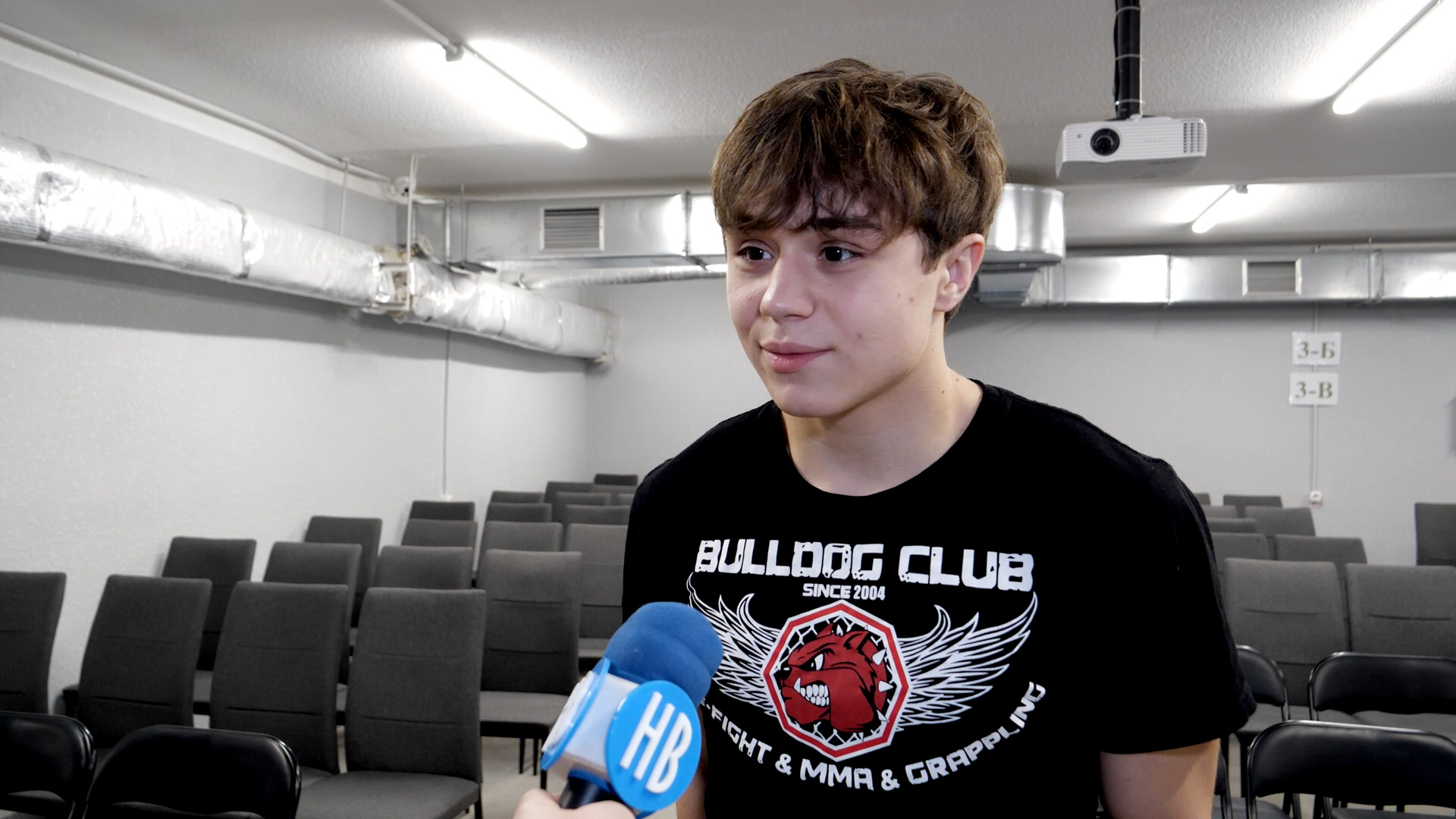 Maksym, a Year 11 student at Lyceum No. 55. Screenshot from the YouTube channel NikVesti
Ilya Grigoriev, an 11th-year pupil, says that distance learning was more comfortable for him.
«Online gives you more space. You can have a drink or a bite to eat while the lesson is on. But offline is fine too, because you can focus on the teacher,» he says.
At the same time, the boy notes that the behaviour of the children themselves has changed in recent years:
«I think everyone has become more withdrawn and spends more time on their phones».
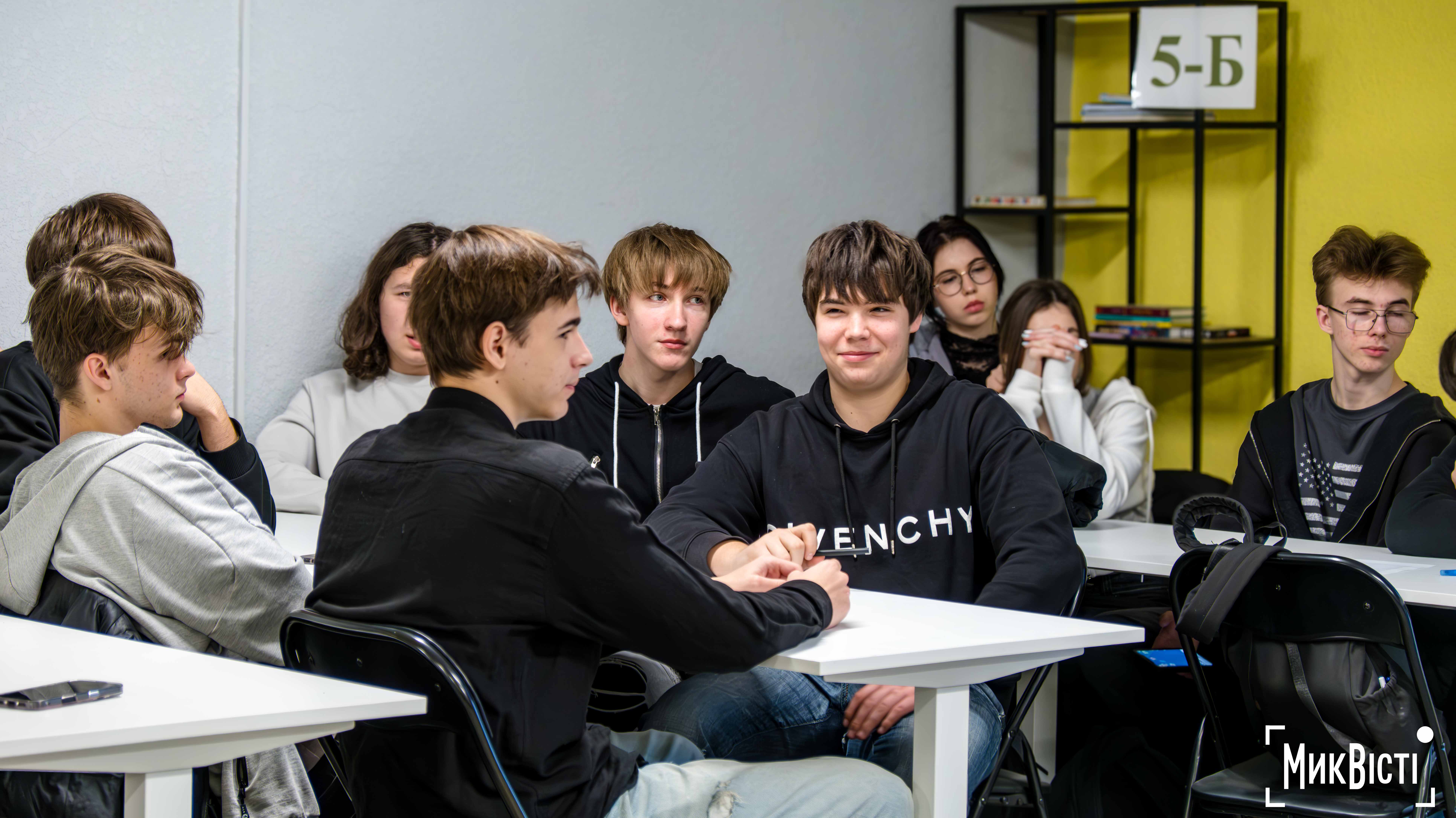 Pupils at Lyceum №55 during face-to-face lessons. Photo: NikVesti
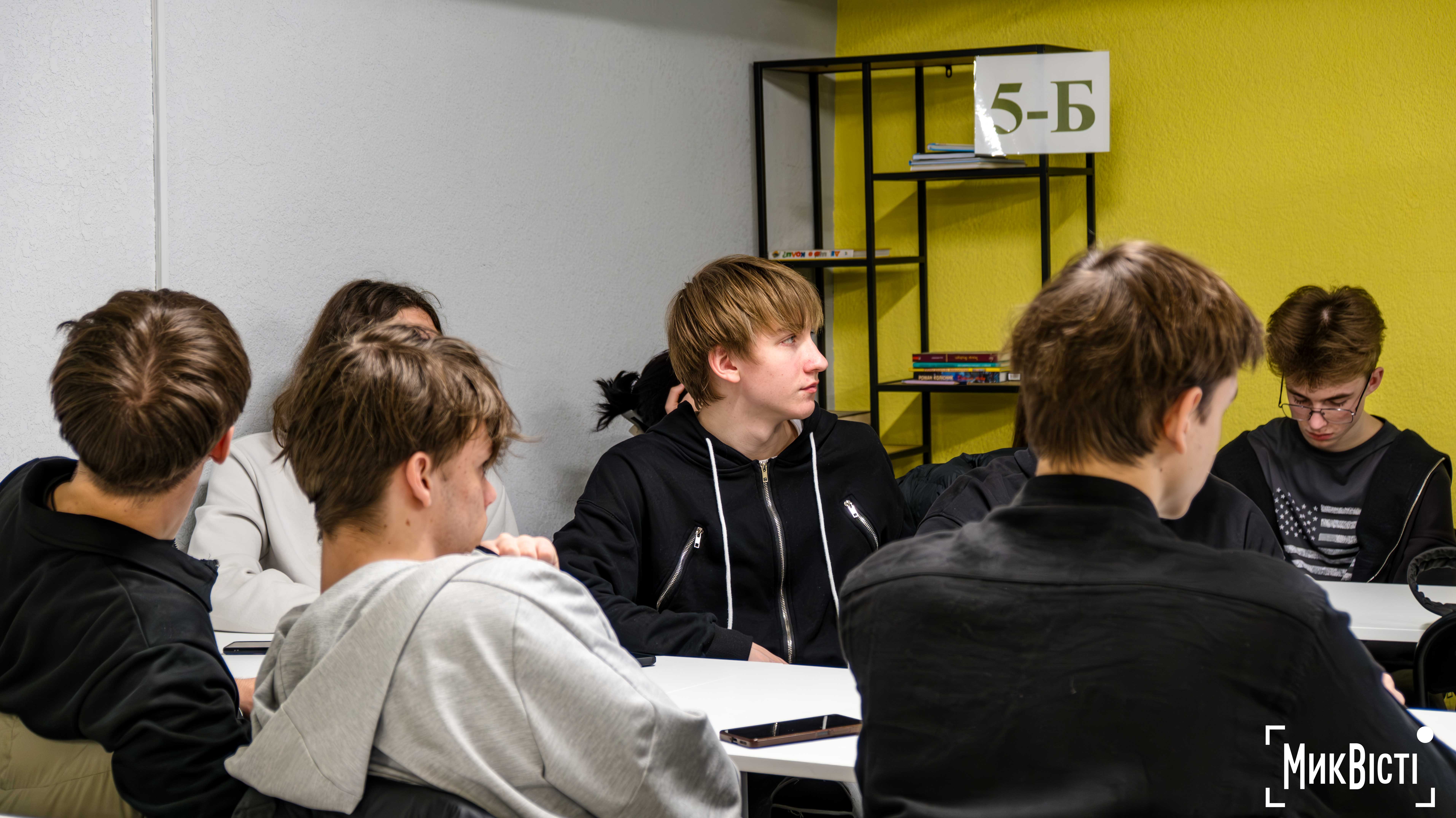 Pupils at Lyceum №55 during face-to-face lessons. Photo: NikVesti
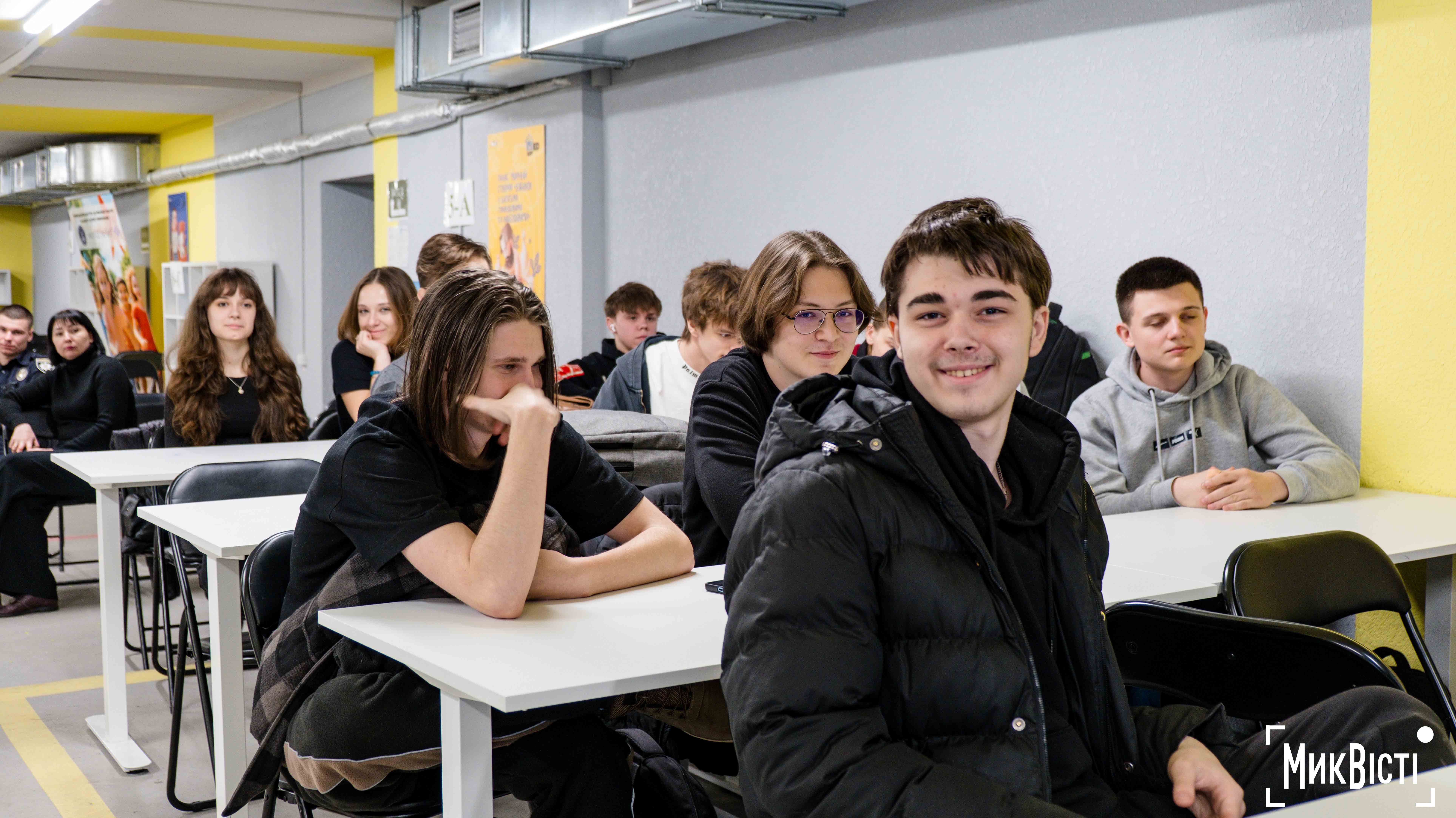 Pupils at Lyceum №55 during face-to-face lessons. Photo: NikVesti
Oleksii Hrynko, a Year 10 pupil, also believes that face-to-face learning has more advantages.
«In-person learning gives you the chance to chat with friends and work harder. Online learning is cool too, but there’s hardly any interaction,» he says.
Another student at the school, Vadym Rymarchuk, says that sometimes lessons go by too quickly.
«I notice that some teachers rush through things very quickly. The material isn’t always properly absorbed. I’d like them to explain things a bit more calmly,» says Vadym Rymarchuk.
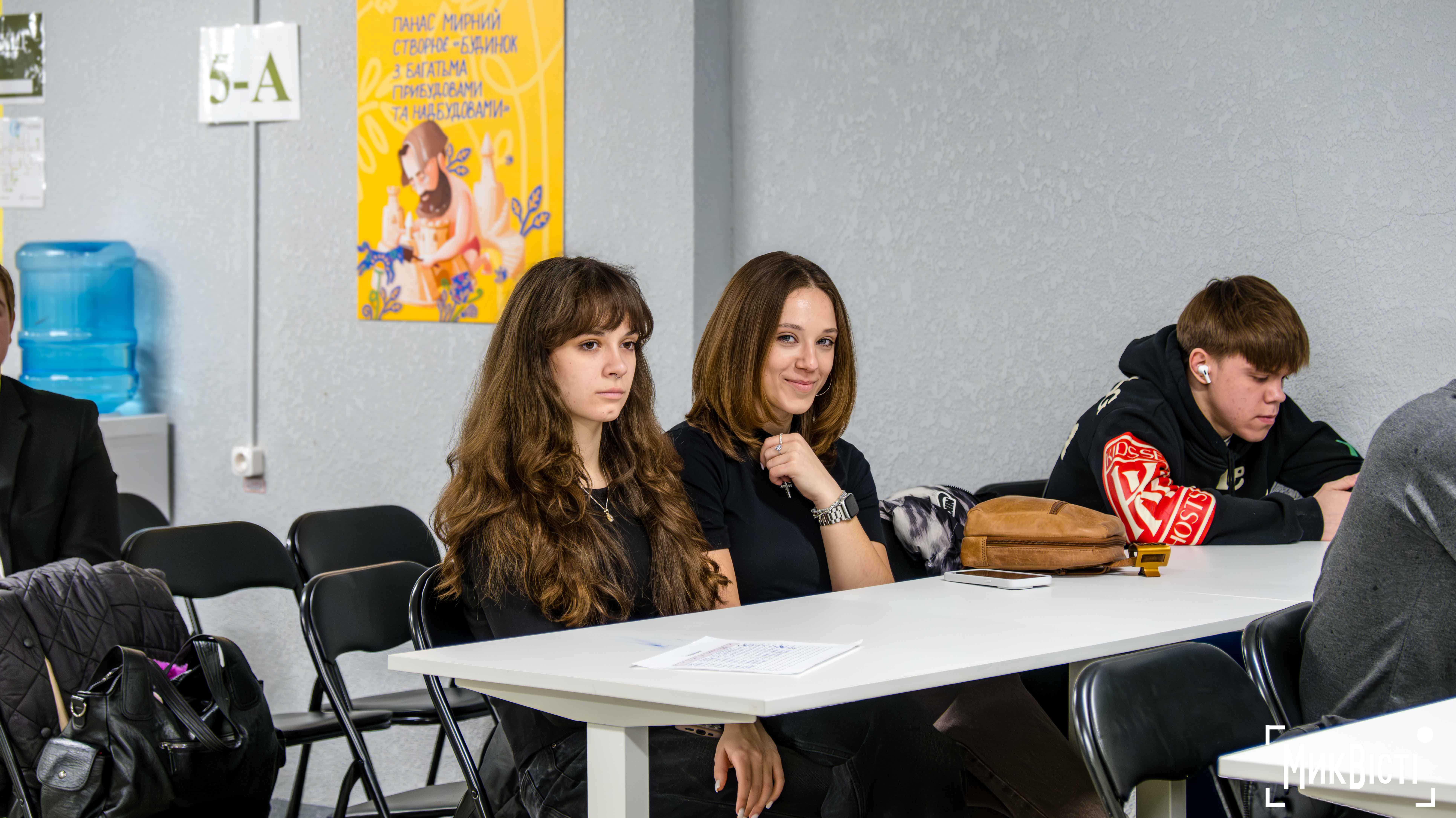 Pupils at Mykolaiv Lyceum №55 during face-to-face lessons. Photo: NikVesti
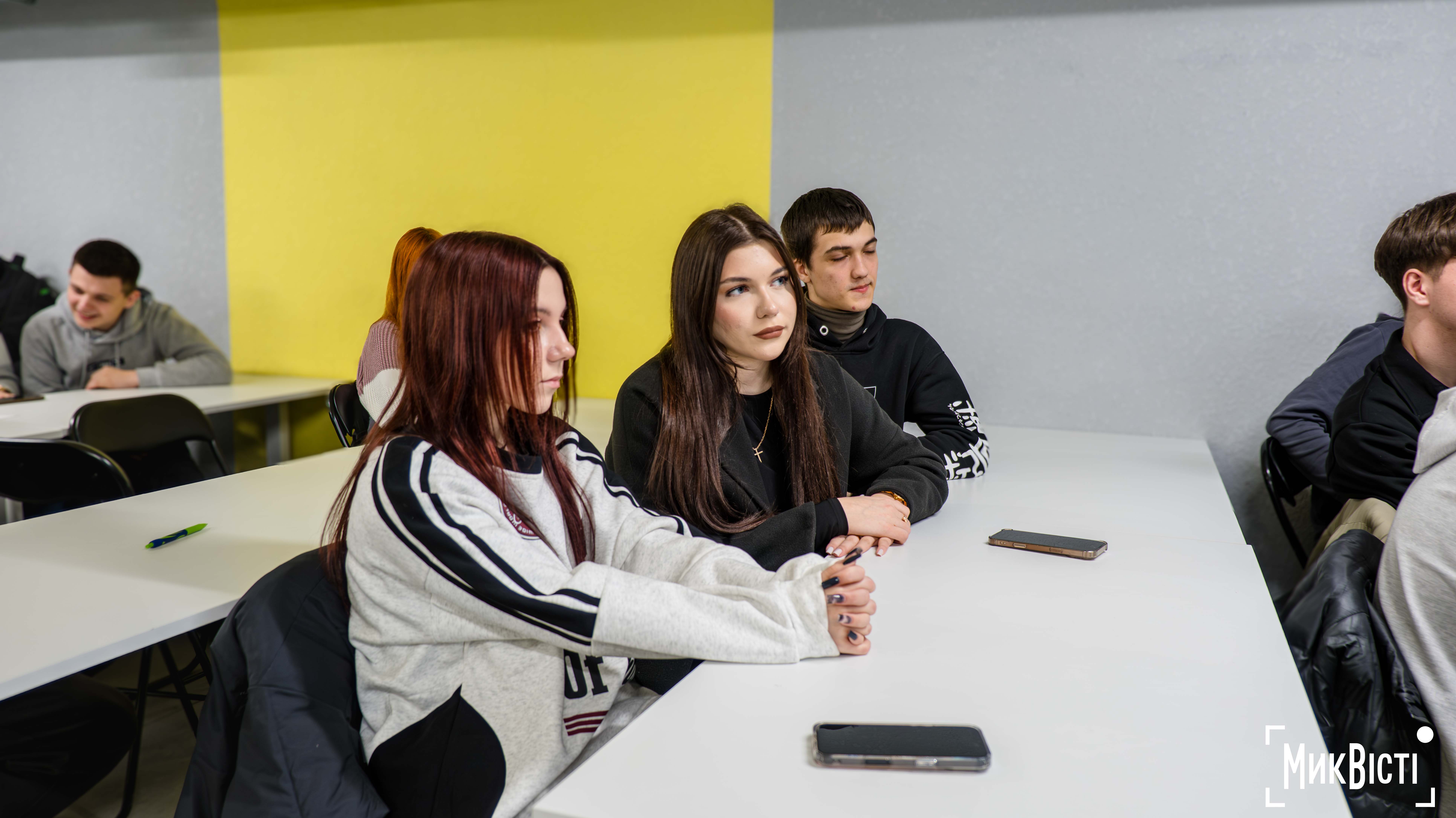 Pupils at Mykolaiv Lyceum №55 during face-to-face lessons. Photo: NikVesti
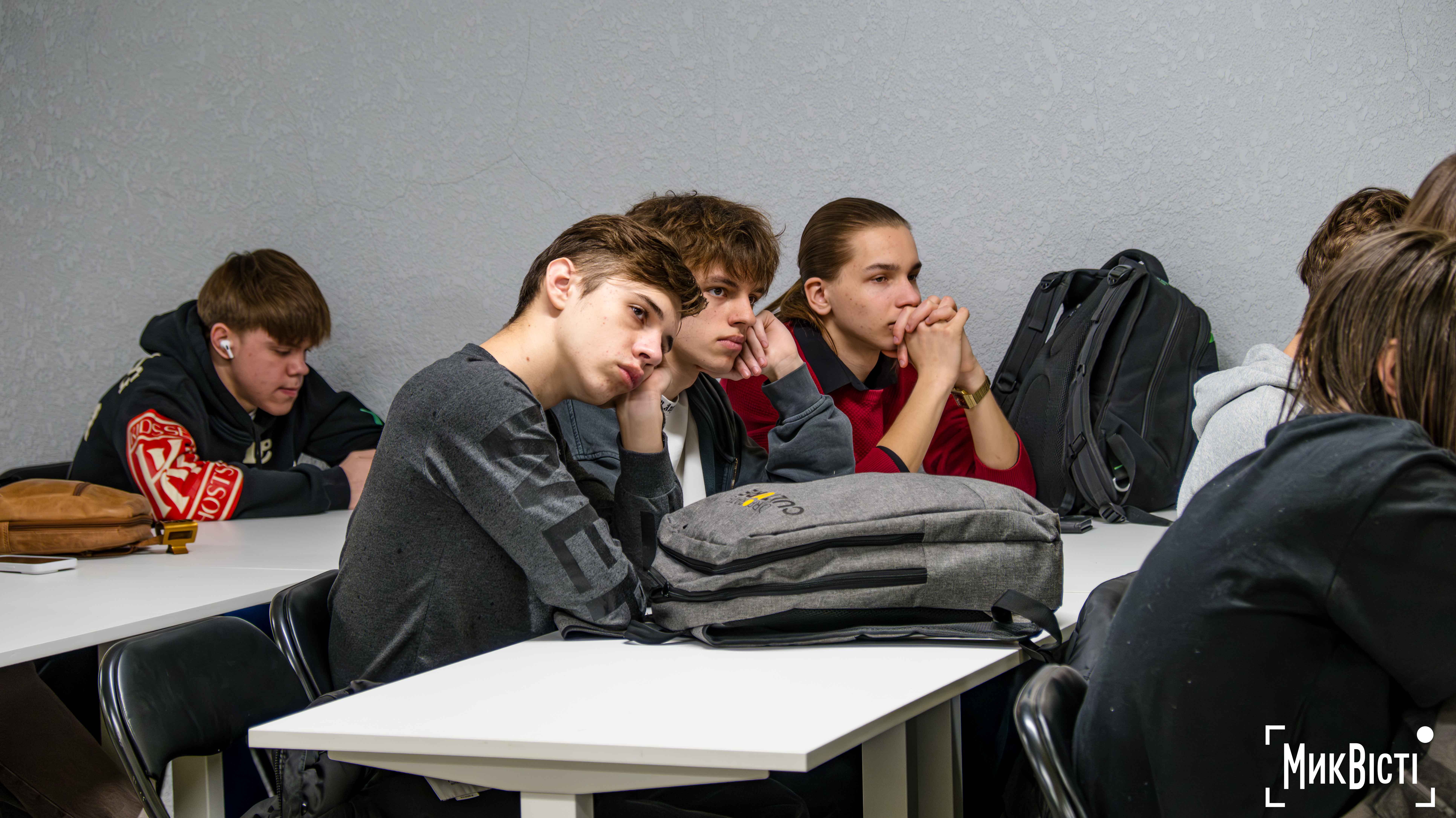 Pupils at Mykolaiv Lyceum №55 during face-to-face lessons. Photo: NikVesti
Where is the greatest educational loss being observed?
According to Hanna Derkach, acting director of the Mykolaiv Centre for Professional Development of Teaching Staff, the issue of learning loss is relevant across the whole country; it arose during the Covid-19 pandemic and has been exacerbated by the war.
«The issue of overcoming educational loss and the problem of filling gaps in students’ knowledge has been a pressing concern for several years now. This is due to certain objective circumstances: Covid, the state of war and remote learning,» she says.
According to her, schools are conducting diagnostic assessments to identify gaps and help pupils fill them.
«At the start of the academic year, educational institutions carry out assessments, based on the results of which a strategy is developed to address learning loss: extra lessons, revision of material, and collaboration with partners and community organisations,» explains Hanna Derkach.
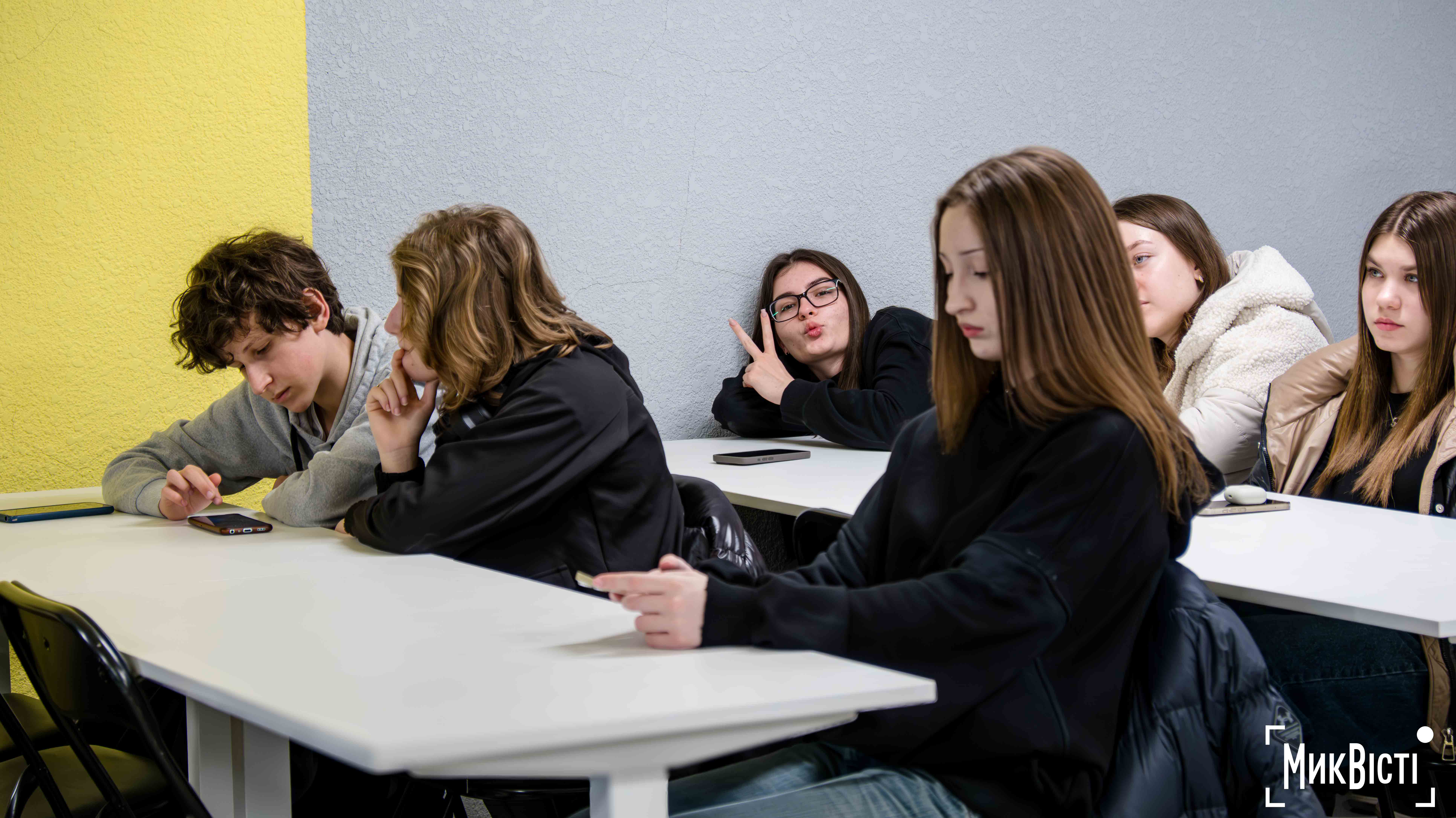 Pupils at Lyceum No. 55 during face-to-face lessons. Photo: NikVesti
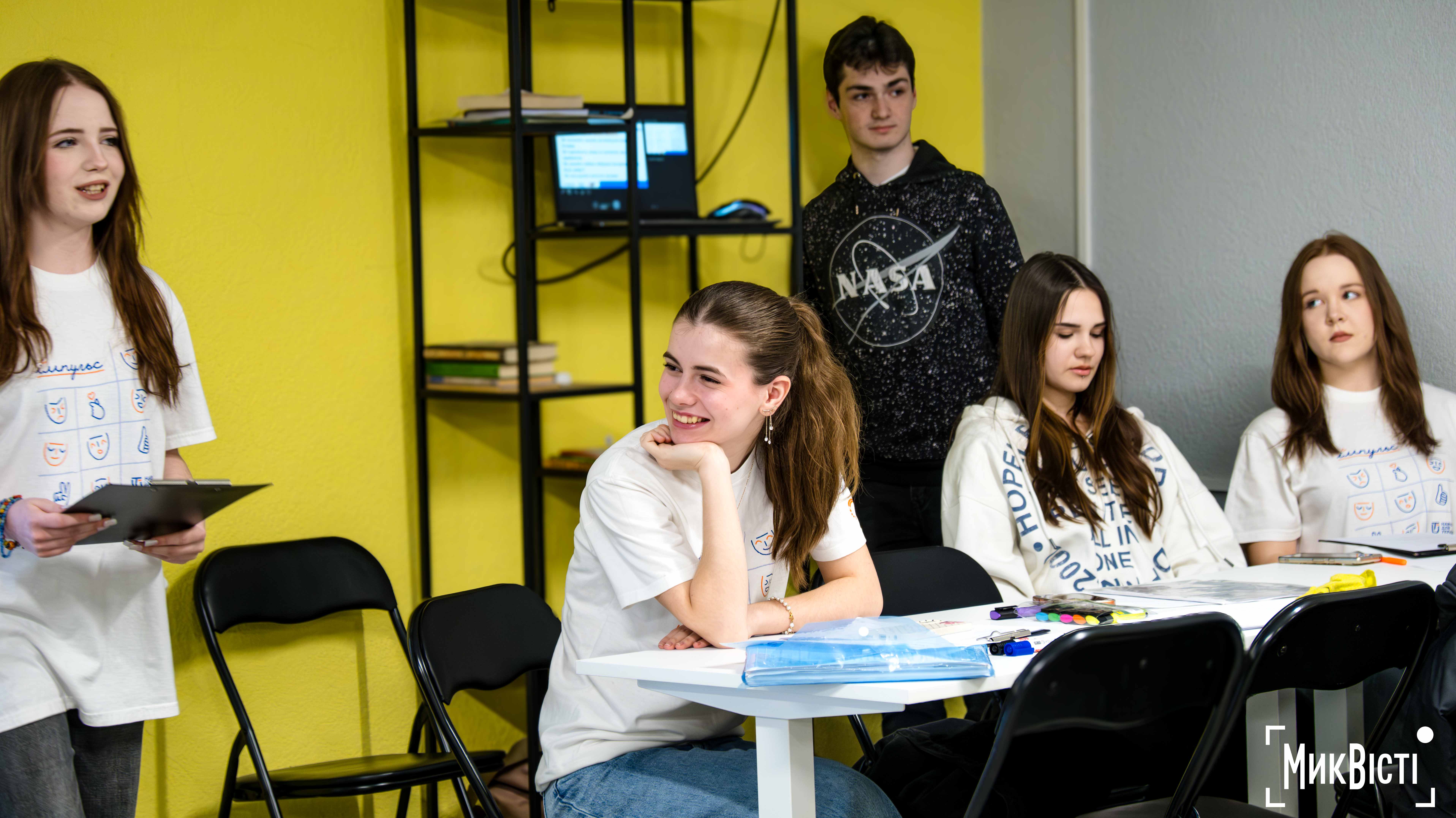 Pupils at Lyceum No. 55 during face-to-face lessons. Photo: NikVesti
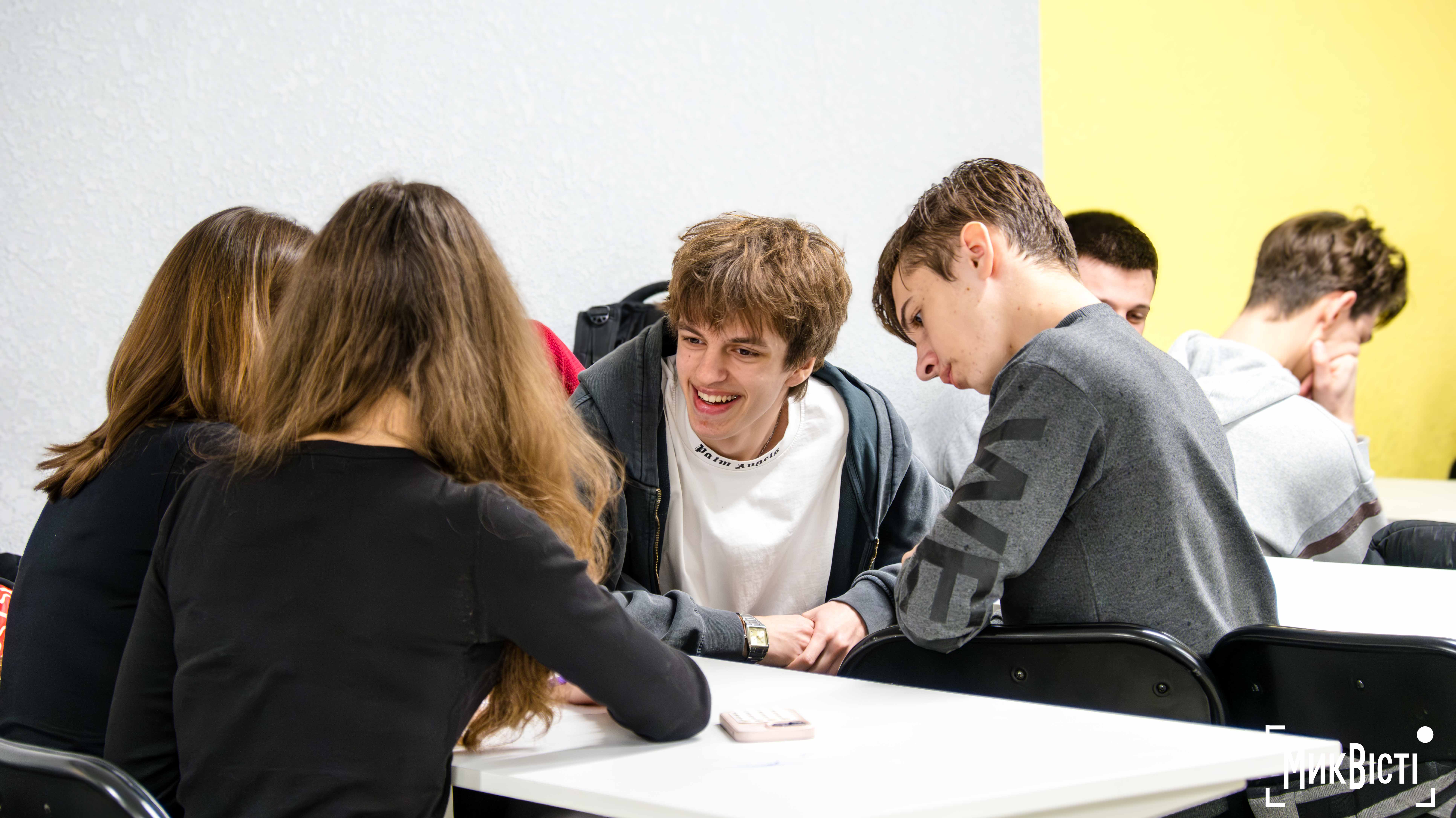 Pupils at Lyceum No. 55 during face-to-face lessons. Photo: NikVesti
According to the monitoring results, the greatest losses are observed in mathematics, Ukrainian language, history and English. At the same time, certain positive changes are already noticeable.
«Students’ performance indicators for the first term of the 2025–2026 academic year showed positive improvements: in mathematics by 1.7%, in Ukrainian by 2.2%, in history by 2.6%, and in English by 2.4%,» she notes.
In addition to academic results, schools are also paying attention to the children’s psychological well-being.
«Addressing learning losses involves not only filling gaps in knowledge but also supporting children’s psychological well-being, building their confidence and motivation to learn,» adds Hanna Derkach.
It should be added that in Mykolaiv, over 16% of schools are collaborating with the «Be Successful» Charitable Foundation, the ‘Teach for Ukraine’ NGO, and the Association for Innovative and Digital Education, in partnership with the United Nations Children’s Fund (UNICEF), to address learning loss.
Which learning format is currently predominant
According to Alla Velikhovska, Director of the Mykolaiv Regional State Administration’s Department of Education, most educational institutions in the region are currently operating in-person.
«At present, face-to-face learning is the norm: around two-thirds of schools are operating on a full-time basis. Distance learning is used only as a temporary measure, for example, for a week or two due to the security situation,» she says.
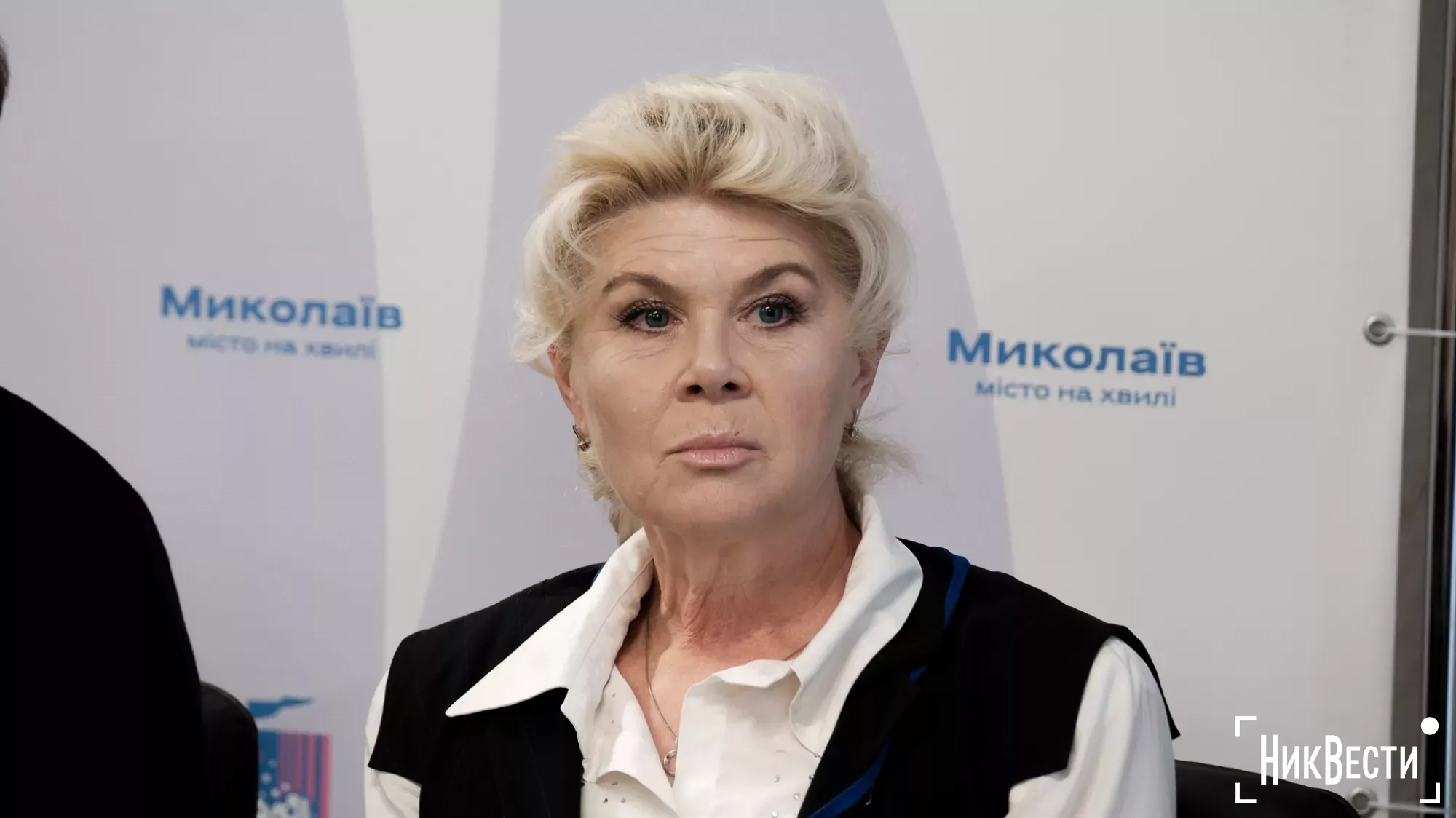 Alla Velikhovska, Head of the Mykolaiv Regional State Administration’s Department of Education, archive photo: NikVesti
She also notes that the state is trying to create conditions for the education of all children, even those who are abroad or in the occupied territories.
«Special classes have been set up for children abroad, where they study the Ukrainian component — language, history and literature. This allows them to obtain a Ukrainian school certificate,» explains Alla Velikhovska.
At the same time, she acknowledges that there are indeed educational losses. According to her, schools are trying to compensate for these losses through extra lessons, individual learning plans and working with pupils after they have missed classes.
«They are significant, and no one is hiding that. The reasons are clear: war, anxiety, evacuations, studying abroad, and the children’s psychological state,» she says.
So, educators acknowledge that it is impossible to fully make up for the educational losses caused by the pandemic and the war in the short term. However, schools are gradually adapting the learning process to the new conditions, namely by revising curricula, holding extra classes, organising summer schools and working to support children’s mental well-being.
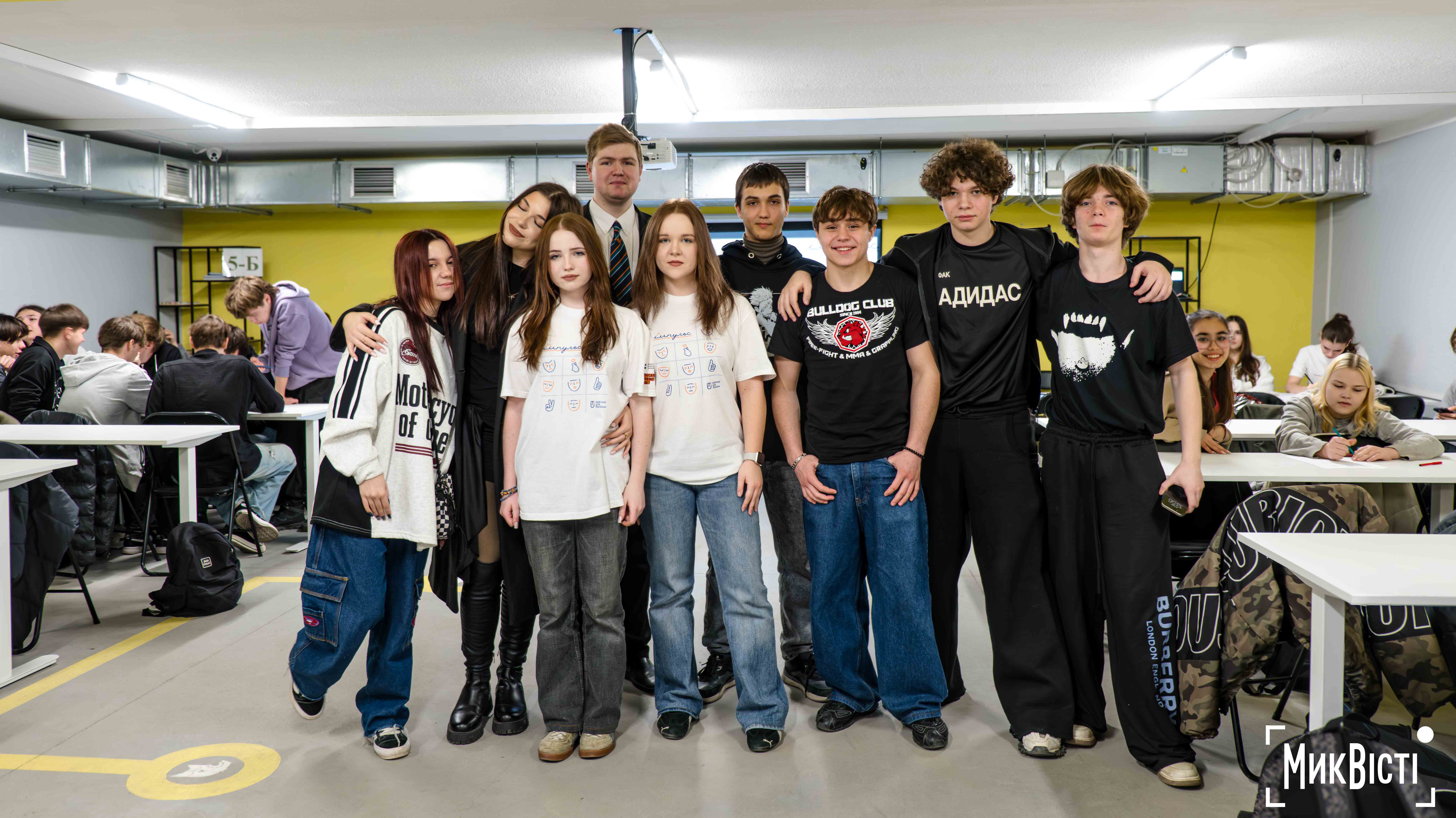 Pupils at Mykolaiv Lyceum № 55 during face-to-face lessons. Photo: Anna Gakman / NikVesti
As a reminder, in Mykolaiv, the intake of applications for Year 1 for the 2026–2027 academic year will begin on 15 March.
Applications can be submitted in several ways:
- by email (scanned documents);
- online via the ISUO portal;
- in person — according to a schedule set by each school.
Parents are advised to keep an eye on updates on the website of their chosen school and to prepare all necessary documents in good time.